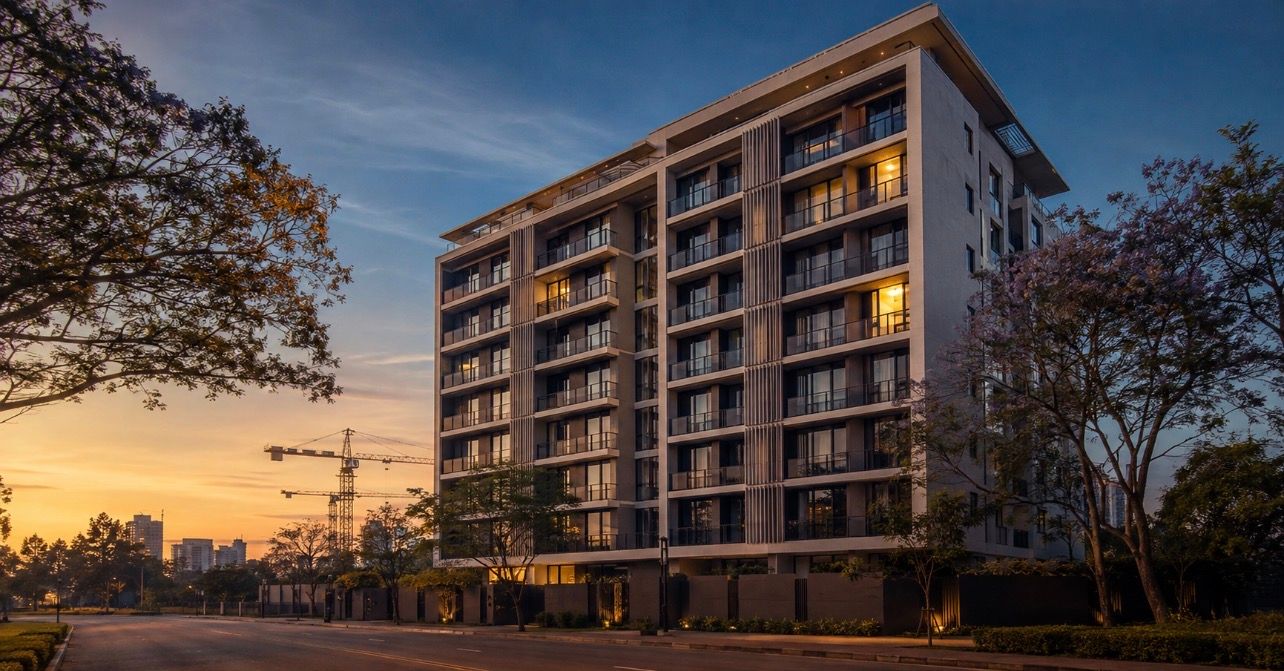
Why Do So Many Kenyans Still Prefer Closed Kitchens? The Story Behind Modern Apartment Design
Most new apartments in Nairobi have open kitchens. Most Kenyan buyers quietly wish they didn't. Here is the story behind that gap.
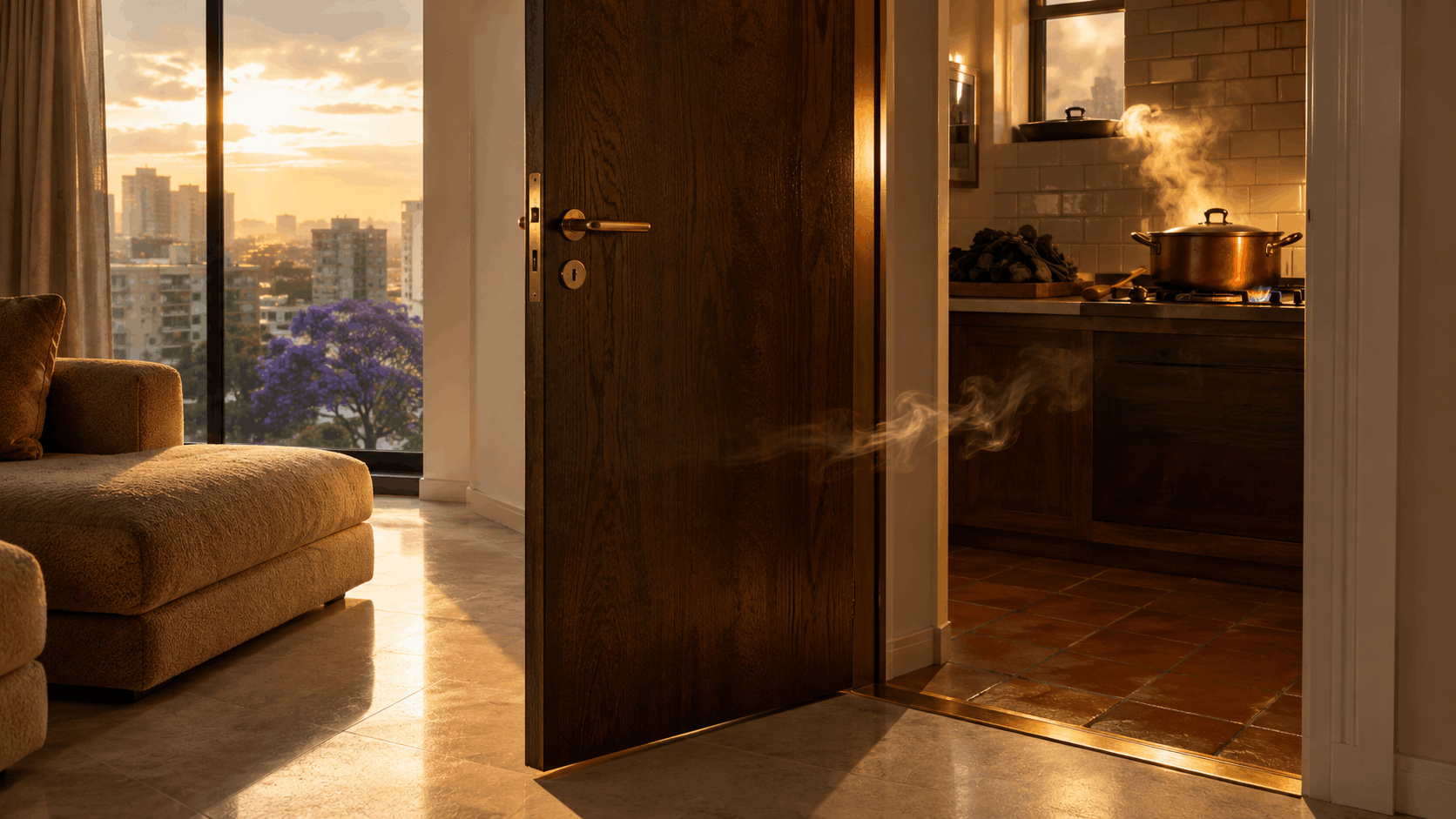
Most new apartments in Nairobi have open kitchens. Most Kenyan buyers quietly wish they didn't. Here is the story behind that gap.
Last month I was showing an apartment to a client in Kilimani.
Beautiful place. Two bedrooms. Large windows. Good finishes.
The lift worked. The parking made sense. Everything was going well.
Then we reached the kitchen.
She stopped walking. Folded her arms. Looked at me.
"This house is beautiful..."
"...lakini hii open plan kitchen hapana."
"I want my privacy."
I nodded. Not because she was wrong. Because I have heard those exact words more times than I can count.
Then the next day I showed the same apartment to someone else.
Young. Single. Works from home three days a week.
He walked into the kitchen and stopped.
"Wow. This is exactly what I have been looking for."
Same kitchen. Different person. Different life.
And that is when I understood something that took me a while to put into words.
This argument has never really been about kitchens.
It is about how we live.
Where It Came From
Why Every New Apartment
Looks Like an HGTV Episode.
If you walk through any apartment development that went up in Nairobi in the last ten years, you will notice something.
The kitchen is no longer a room.
It is a counter. An island. A bar stool situation. And it lives in the same space as your sofa, your TV, and whoever you invited to dinner.
So why did this happen?
Part of it is global. In the US and UK, open plan layouts have dominated the conversation for two decades. Research there shows that homes with open floor plans consistently sold faster and commanded a premium. Open spaces photographed better. They marketed better. They became the visual language of modern aspirational living.
Developers in Nairobi watched. They travelled. They saw what was working in Dubai and Kuala Lumpur and parts of Europe. Then they brought it here.
There was also a practical reason for it.
Remove one wall and a tight 45-square-metre apartment suddenly feels like it belongs in a magazine. You have not added any space. You have just changed how your eyes read the room. For developers trying to sell units off-plan using CGI renders, that visual expansion was enormously useful.
One architect described it honestly: the issue was not the concept itself. It was that open kitchens were designed for a lifestyle that most Kenyan families were not living.
Which brings us to the part nobody says clearly in the brochure...
The Cultural Truth
The Kitchen Was Always
Another Country.
Think about how most of us grew up.
You did not just wander into the kitchen. You were summoned.
"Kuja uchukue chakula."
That room had its own rules. Its own smells. Its own sounds. On a Saturday morning someone was frying onions while someone else ground spices and tea boiled on the back burner.
During Christmas the kitchen became another country entirely. Aunties took over completely. Children were banned from the sufuria zone. The sitting room stayed exactly that. A sitting room.
Then we moved into apartments. And one wall disappeared. And nobody stopped to ask what that one wall had actually been doing.
台What That Wall Was Actually Doing
It was not just a wall. It was the boundary between the work of the house and the life of the house. Between the chaos and the calm. Between what you show guests and what stays private.
One homeowner described it precisely. She said the preparation turns her kitchen into chaos. The smells spread. She could hear the house help's conversations from the sitting room. She had no privacy. So she eventually built a glass partition at her own cost.
Another person, cooking omena in a Kilimani open plan apartment, had a neighbour knock on the door to ask if everything was okay. The smell had made it into the corridor.
Nobody wrote that in the sales brochure.
"Open kitchens look amazing in renders. They stay amazing right up until someone decides today is the perfect day to fry omena."The Other Side
Why It Is Not
All Bad News.
Here is what the open kitchen actually gets right.
In a studio apartment or a compact one-bedroom, removing that wall can be the difference between a space that feels liveable and one that feels like a corridor with furniture in it. The light travels further. The rooms breathe. You do not feel boxed in.
For someone who lives alone, works from home, and mostly eats out or reheats food, an open kitchen is genuinely pleasant. You can have a friend over for wine while something is on the stove. You can watch a show from the kitchen counter. You feel less isolated inside your own flat.
This is not a trivial thing. Urban loneliness is real, and a home that makes you feel connected to the full space you are paying for is worth something.
The problem is that most of Nairobi does not live that way.
Most households cook. Really cook. Daily. With spices and oil and ugali steam and the particular smell of sukuma wiki that has been frying for slightly too long. For that household, in that apartment, the open kitchen creates friction every single day.
As one Kenyan architect put it: a kitchen is a service room. It is messy by nature. There are smells, cleaning agents, food preparation activities, things people do not necessarily want spilling into the rest of the house. Even in hotels, the kitchen is kept behind walls and out of sight. There is a reason for that.
What the Market Has Learned
The Answer That Is
Slowly Arriving.
The good news is that developers are listening. Slowly, but they are listening.
A growing number of new Nairobi apartment developments now offer what the industry calls a wet and dry kitchen setup.
The dry kitchen is the open section facing the living room. A clean counter. A hob. A sink. Maybe an island. It is for light cooking, coffee in the morning, warming food. It looks exactly as good in a brochure as you would want it to.
The wet kitchen is behind a door. A separate enclosed space where serious cooking happens. The frying. The stewing. The pilau. The omena. The things that need walls.
It is not a new idea. Wealthier homes and older larger apartments in Nairobi had this arrangement for decades. What is new is that it is starting to appear in mid-range developments in Kilimani, Kileleshwa, and Westlands, where buyers have started asking for it by name.
The understanding that architecture has to serve the people living in it rather than the person selling it is not new. But it takes time to move from a principle to a floor plan.
Before You Buy
One Question to Ask
Inside Any Kitchen.
If you are viewing an apartment with an open kitchen, do one thing before you make any decision.
Stop talking for a minute. Look for a window near the stove.
Not a decorative one. A real window. One that opens.
Then ask yourself: if I fry fish here tonight, where does the smoke go?
If you cannot answer that question confidently, the apartment has not answered it either.
A good extractor hood matters too. A powerful one, not the kind that looks nice and moves approximately no air. If you can, test it. Turn it on. Feel whether it actually pulls air or just makes noise.
And if the apartment has a closed kitchen, check that it has a real window of its own. A kitchen with no airflow is not a closed kitchen. It is just a hot box with a door. You need ventilation either way. The question is only whether it stays contained or spreads.
Beyond the ventilation question, the rest is honest self-knowledge. How do you actually cook? Not how you imagine you will cook once you have moved in and your life has become more organised. How you cook now, today, on a Tuesday when you are tired and making the same thing you always make.
That answer tells you which kitchen you need.
"The best kitchen is not the one that wins arguments online. It is the one that fits the life waiting for you after work."Common Questions
What People
Ask Most.
Why do Kenyans prefer closed kitchens in apartments?
Most Kenyan cooking involves strong smells, smoke, and a lot of activity. Frying, stewing, making ugali. In an open plan apartment, those smells spread into the sitting room and bedrooms. A closed kitchen keeps all of that contained. It also matches how most Kenyan families grew up. The kitchen was always a separate world, and for many buyers, especially families, changing that feels unnatural.
Are open kitchens practical in Kenya?
They can be, but only if the apartment was designed with serious ventilation. A powerful extractor hood, a real window near the stove, and good cross-ventilation are non-negotiable. Without these, an open kitchen creates daily friction. Light meals and quick cooking work well. Daily heavy cooking is where most buyers run into trouble.
Why do developers build open plan kitchens in Nairobi?
Two reasons. First, removing a wall makes a small apartment feel bigger without adding any square metres. Second, open kitchens photograph extremely well and look impressive in CGI renders and brochures. Developers borrowed this approach from Western and East Asian markets without always adjusting for how Kenyan families actually cook at home.
What is a wet and dry kitchen in a Kenyan apartment?
A hybrid approach that better-designed new developments now offer. The dry kitchen is the open section facing the living room, used for light cooking and food prep. The wet kitchen is a separate enclosed room for serious cooking. You get the visual appeal of the open plan design without the smell and noise problems that come with heavy cooking in a fully open space.
Can I convert an open kitchen to a closed kitchen later?
Sometimes. If the wall being added is not load-bearing, you can install a partition, a sliding door, or a glass wall for partial separation. Many Nairobi homeowners have done exactly this after moving in. It is possible but adds cost. A basic sliding door can start from around KES 150,000. A full partition from KES 400,000 upward depending on finish quality and structure. Always consult an architect before modifying walls in an apartment.
Should I buy an apartment with an open kitchen in Kenya?
It depends on how you actually cook, not how you imagine you will. If you prepare elaborate daily meals with frying or strong spices, a closed kitchen will serve you much better. If you mostly reheat food, eat out regularly, or cook light meals, an open kitchen is workable, provided the ventilation is good. The single most useful thing you can do before deciding is to visit the apartment when neighbours are likely cooking and test what you can smell.
I have stopped telling clients which kitchen is better.
I used to have an opinion. Now I just ask one question.
How do you live?
Not how you want to live. Not how you imagine things will look once the furniture is in. How you actually live. What happens in your home on an ordinary Wednesday. Whether you cook. Who cooks. Whether there are children. Whether there is a house help. Whether you eat out five nights a week.
Once you know the honest answer to that question, the kitchen decision makes itself.
Funny enough, I have also noticed something else over the years.
The happiest buyers are rarely the ones who found the most beautiful kitchen.
They are the ones who found the kitchen that does not make them angry.
There is a difference.
And that difference is worth every minute of the viewing.
Keep Reading
If you found this useful, these articles go deeper on what matters when buying an apartment in Nairobi.
Off-Plan, Ready, Completed, Stalled — The Complete Guide to Property Development Stages in Kenya
Service Charge in Kenya — What It Is, Who Pays, and What Happens When You Don't
What Architecture Does to a Neighbourhood — A Nairobi Case Study
You Worked Too Hard to Lose It All — The Diaspora Guide to Buying a Nairobi Apartment
Sources
- [1]Marble Engineering Kenya — "The Latest Apartment Design Trends in Kenya (2025 Update)." Open plan layouts; natural lighting; modern apartment design drivers. marbleengineering.co.ke, August 2025.[link]
- [2]The Business Watch — "From Empty Shells to Move-In Ready Living: How Built-In Kitchens Are Redefining Kenyan Homes." Urban kitchen design; over 75% of Kenyan rental housing consists of flats and apartments. thebusinesswatch.com, May 2026.[link]
- [3]Nation Media Group — "Open-plan kitchens were a trend but the market has realised the concept does not accommodate Kenyan culture." Quoted in the original research brief. nation.co.ke.
- [4]Cytonn Investments — "Nairobi Metropolitan Area Residential Report 2025." Upper mid-end suburb performance; Kilimani, Kileleshwa, Westlands data. cytonn.com.[link]

Antony Baragu
Real estate strategist
Antony Baragu is a forward-thinking real estate professional and founding partner of Wande Realty, bringing a unique blend of technology, strategy, and market insight into the property space. With a background in software engineering and digital systems, Antony approaches real estate differently , leveraging data, user experience, and modern platforms to simplify how people discover, evaluate, and invest in property. At Wande Realty, he plays a key role in building a tech-driven real estate experience that goes beyond traditional listings , creating a platform where buyers, investors, and renters can explore opportunities with clarity and confidence. His focus spans residential developments, off-plan investments, and high-demand urban properties, particularly within Nairobi’s fast-growing neighborhoods such as Kilimani, Westlands, and Lavington. Antony is driven by a simple vision: to make real estate more accessible, transparent, and intelligently designed for the modern market.
Related Residences, Developments & Neighbourhoods
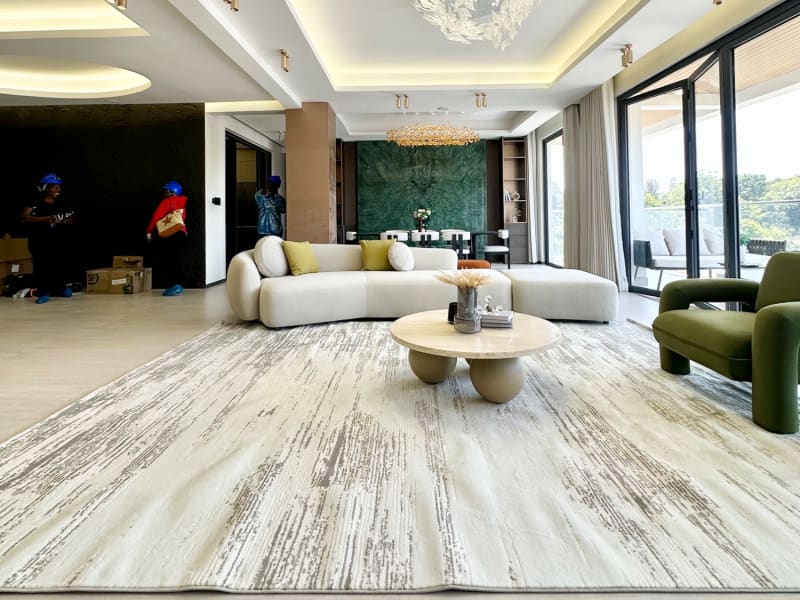
Westlands· Westlands,Nairobi.
an exclusive, luxury residential development located on Brookside Gardens Drive in Westlands, Nairobi.
Where luxury meets comfort.
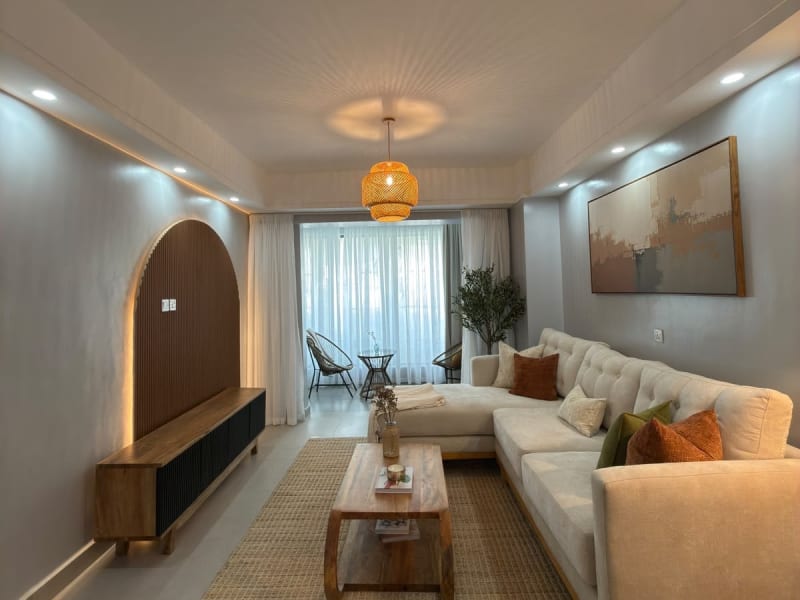
Kilimani· Menelik Road, Off Ngong Road, Kilimani, Nairobi
Modern 2 Bedroom Apartment for Sale in Kilimani
Modern urban living with strong investment potential in Kilimani

Westlands· Brookside Grove, Westlands, Nairobi
Luxury Apartments for Sale in Brookside, Westlands
Where Luxury Meets Strategic Brilliance

Kilimani· Elgeyo Road, Kilimani, Nairobi
Ultra-Luxury Apartments for Sale in Kilimani, Nairobi
Where Bespoke Luxury Meets Smart Urban Living
Featured Neighbourhood
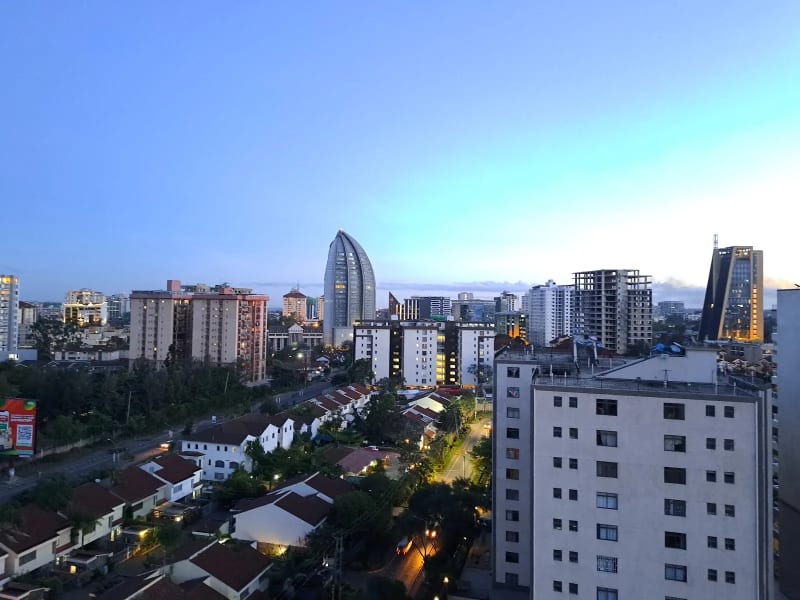
Kilimani
Nairobi's vibrant apartment district with exceptional rental demand and investment potential.

Featured Neighbourhood
Runda
Prestigious Embassy Living in a Secure Garden Suburb

Featured Neighbourhood
Kitisuru
Exclusive Green Living with Luxury Homes & Privacy