What Architecture Does to a Neighbourhood.
A building is never just a building. It is a statement about who belongs here, what this land is worth, and what this city believes it is becoming.
A Case Study — Kilimani · Kileleshwa · Westlands · Lavington, Nairobi
The Argument
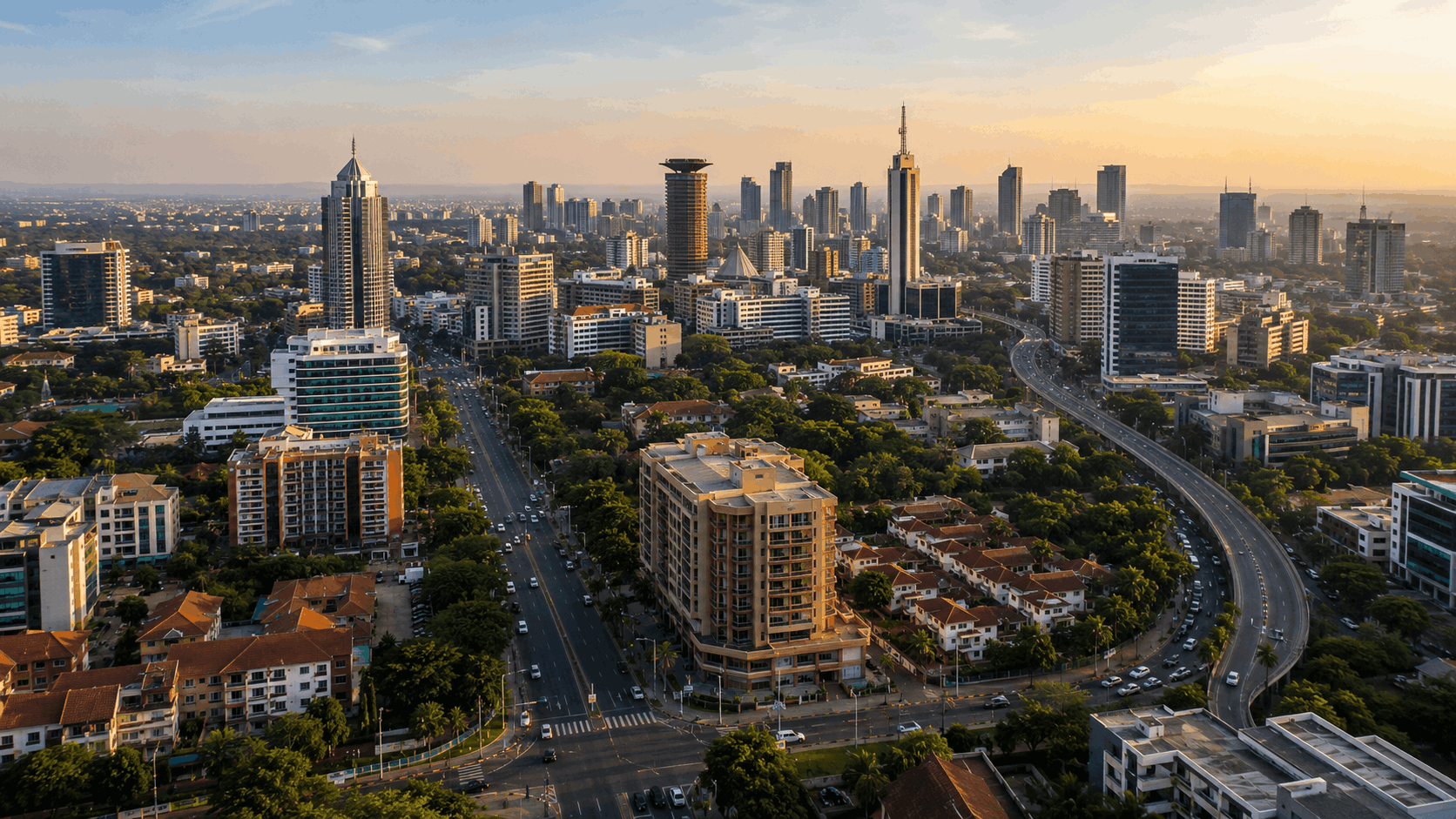
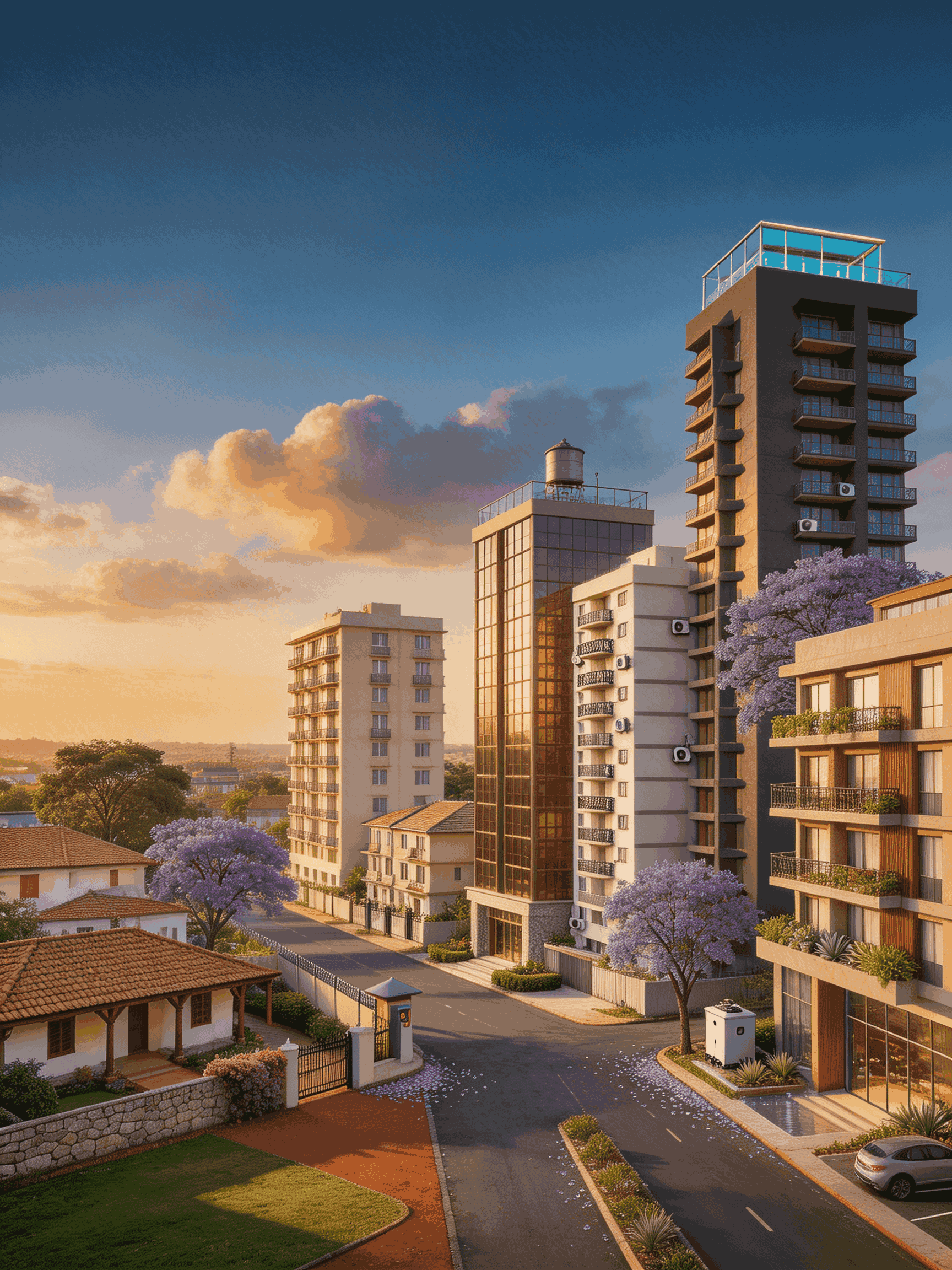
Drive along Argwings Kodhek Road today and the skyline will tell you a story that no property brochure can fully capture. Glass towers rise where bougainvillea bungalows once stood. Rooftop pools catch the afternoon sun above streets that, thirty years ago, were lined with nothing taller than a mango tree. What happened to Kilimani, Kileleshwa, Westlands, and Lavington over the past four decades is not just a story about construction. It is a story about architecture as a force — a force that reshapes land values, redefines community character, triggers infrastructure investment, and ultimately determines who a neighbourhood becomes home to.
This piece traces that story decade by decade, drawing on verified urban research, property market data, and the lived testimony of Nairobi itself. The goal is to understand something that every serious property investor and homeowner in this city should know: architecture does not follow a neighbourhood's rise. In most cases, it leads it.
90s
The Last of the Bungalows
Colonial Legacy · Low Density · Garden Suburb
To understand what modern architecture has done to Nairobi's prime neighbourhoods, you must first understand what they were before it arrived. Kilimani was established during the mid-twentieth century as a racially segregated, whites-only residential zone by the British colonial administration — a designation that only dissolved after independence in 1963.[1] Kileleshwa, positioned five kilometres from the city centre, was developed shortly after as a high-status enclave for senior civil servants, its plots characterised by expansive compounds, manicured lawns, and mature flowering trees.[2]
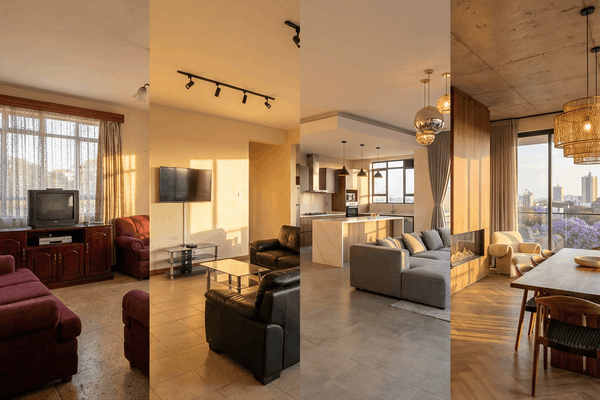
By the 1990s, both neighbourhoods retained this low-density colonial character almost entirely intact. The dominant architectural language was the single-storey or double-storey bungalow — generous setbacks from the road, servants' quarters to the rear, a garden that signalled both leisure and prosperity. Traffic was light. The streets were quiet. The population was small, wealthy, and largely known to one another. These were neighbourhoods where, as one description puts it, life was organised around "spacious plots with compounds of beautiful lawns, ostentatious trees and flowers."[2]
This was not a golden age of architectural ambition. It was a frozen one — a suburb that had not yet been asked to grow, because the economic pressures that would demand growth had not yet arrived. The bungalow era was comfortable, but it was also a kind of suspended animation. The question was simply: what would wake it up?
00s
The Kibaki Catalyst
Economic Opening · Mid-Rise Emergence · The First Towers
The answer arrived in 2002 with the election of President Mwai Kibaki. His administration triggered what can only be described as a structural reconfiguration of Nairobi's built environment. Interest rates on government loans fell sharply, forcing commercial banks to aggressively pursue private borrowers — and Kenyans, suddenly with access to credit, began to invest in land and property at a scale the city had never seen.[3] Vision 2030, the government's development blueprint, catalysed both local and international capital into large-scale urban real estate projects. Estates like Kilimani, Lavington, Westlands, Kileleshwa, and Upper Hill began their metamorphosis into landscapes of high-rise apartments and commercial hubs.[3]
The architectural consequence was immediate and dramatic. Developers, recognising that prime urban land in Nairobi was both scarce and appreciating, began tearing down bungalows and replacing them with mid-rise apartment blocks — four to seven storeys, typically, with tiled lobbies, generator backup, and perimeter walls topped with electric fencing. The form was functional rather than inspired, but it represented something significant: the transition from single-family occupancy to multi-unit density on the same plot of land.
The land price signals were extraordinary. By the mid-2000s, an acre in Kilimani was trading at Ksh 70 million — a figure that property valuers of the time described as potentially unsustainable.[4] A bungalow on a quarter-acre along Kirichwa Road, listed at Ksh 25 million, sold for Ksh 35 million as developers competed for the underlying land.[4] Banks, meanwhile, financed an estimated 500,000 homes nationally across the Kibaki years.[4] Architecture, in this era, became the visible expression of an investment thesis: that the highest and best use of Nairobi's prime land was vertical density.
Ksh 70MPer acre in Kilimani, mid-2000s500KHomes bank-financed under Kibaki6×Kilimani land appreciation, 2007–2019"As long as urbanisation trends persist, so will the upward trajectory of these areas." — Urban Planner Constant Cap, Daily Nation, 202310s
The Vertical Decade
High-Rise Surge · Zoning Pressure · Infrastructure Lag
If the 2000s planted the seed, the 2010s were the decade in which it erupted through the soil. Satellite imagery from this period tells the story with unusual clarity. A Google Earth analysis published by the Daily Nation in 2023 compared aerial views of Kilimani and Kileleshwa between 2014 and 2022, finding that the 2014 landscape was predominantly low-rise with abundant green space — and that by 2022, the same land was punctuated by high-rise towers and had lost significant tree canopy as development proceeded outward and upward.[5]
Academic research published in the University of Nairobi's journal of architecture confirms the structural dimensions of this shift. Across Kileleshwa, the study found transformation occurring simultaneously at the level of the street, the plot, and the building — with the net effect being a dramatic increase in urban density across all three layers of the neighbourhood's physical fabric.[6] The Sectional Properties Act, simplifying title ownership for individual apartment units, broadened the investor base beyond wealthy individuals to include the growing salaried middle class — people who could now own a unit in a block rather than an entire plot.[2]
The ripple effects on infrastructure were significant and, in some cases, painful. In 2012, residents of Riverside Drive — adjacent to the development corridors — were receiving municipal water only three days per week, with persistent power shortages as electricity grid capacity struggled to keep pace with the population increase.[2] The Kenyan government eventually commissioned the Nairobi Western Ring Road project, an 8.4-kilometre infrastructure undertaking funded by the Japan International Cooperation Agency (JICA) at a cost of Ksh 2.54 billion, implemented between 2011 and 2013 specifically to relieve the traffic congestion that high-density development had created in the western suburbs.[2] This sequence — architecture first, infrastructure second — is a pattern that would define the decade and produce both the neighbourhood's vitality and its tensions.
This is the critical architectural lesson of the 2010s: buildings shape cities faster than governments can plan for them. The private sector, driven by demand for modern apartments from diplomats, expatriates, multinational executives, and Nairobi's own expanding professional class, moved at a pace that overwhelmed the regulatory and infrastructure machinery. In many ways, developers were writing the city's urban future before the planners had finished reading the previous chapter.
20s
Quality Over Quantity
Premium Differentiation · Amenity Arms Race · The Resilient Luxury Segment
Nairobi's 2020s property market is defined by a paradox that a superficial reading of the skyline would not immediately reveal. Supply has increased dramatically — more towers, more apartment blocks, more developments than at any previous point in the city's history. Yet in the prime suburbs, prices have not corrected. Luxury apartments in Westlands, Kilimani, Riverside, and General Mathenge are commanding prices above Ksh 50 million, while premium rentals in estates like Rosslyn and Muthaiga are exceeding Ksh 400,000 per month.[7] The explanation lies in the quality of architecture itself.
The market has bifurcated sharply. On one side sits a glut of mid-range apartments — buildings constructed rapidly in the 2010s with basic finishes, minimal amenities, and insufficient differentiation from their neighbours. These have faced oversupply, declining occupancy, and downward pressure on rents. On the other side sits a smaller, growing category of genuinely designed buildings — developments that offer rooftop pools, coworking lounges, gym facilities, concierge services, and architectural language sophisticated enough to compete with properties in comparable African cities like Lagos or Nairobi's own diplomatic enclaves.[8] According to the Cytonn 2025 Nairobi Metropolitan Area Residential Report, the best-performing segment in the current market is upper mid-end suburbs — nodes like Westlands, Kileleshwa, and Kilimani — posting average total returns of 7.1%, driven by rental yields of 6.0% and sustained occupancy rates above 91%.[9]
What separates a performing asset from a depreciating one, in this market, is precisely architectural quality. The buildings drawing diaspora capital, expatriate demand, and multinational tenants are those whose design language communicates permanence, intention, and international standard. Nairobi's average annual property appreciation rate in Kilimani hovers around 7–9%, but that figure is not evenly distributed — it concentrates in properties whose architecture is doing the work of signalling value.[10]
"In prime urban pockets, land values have risen to levels where constructing affordable units becomes financially unviable. Architecture is no longer optional — it is the margin."The Synthesis
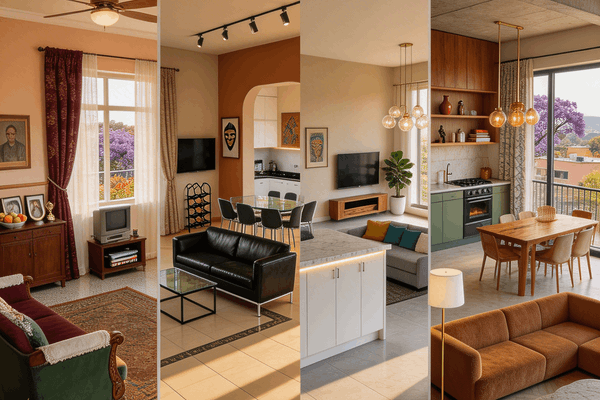
What Architecture Actually Does
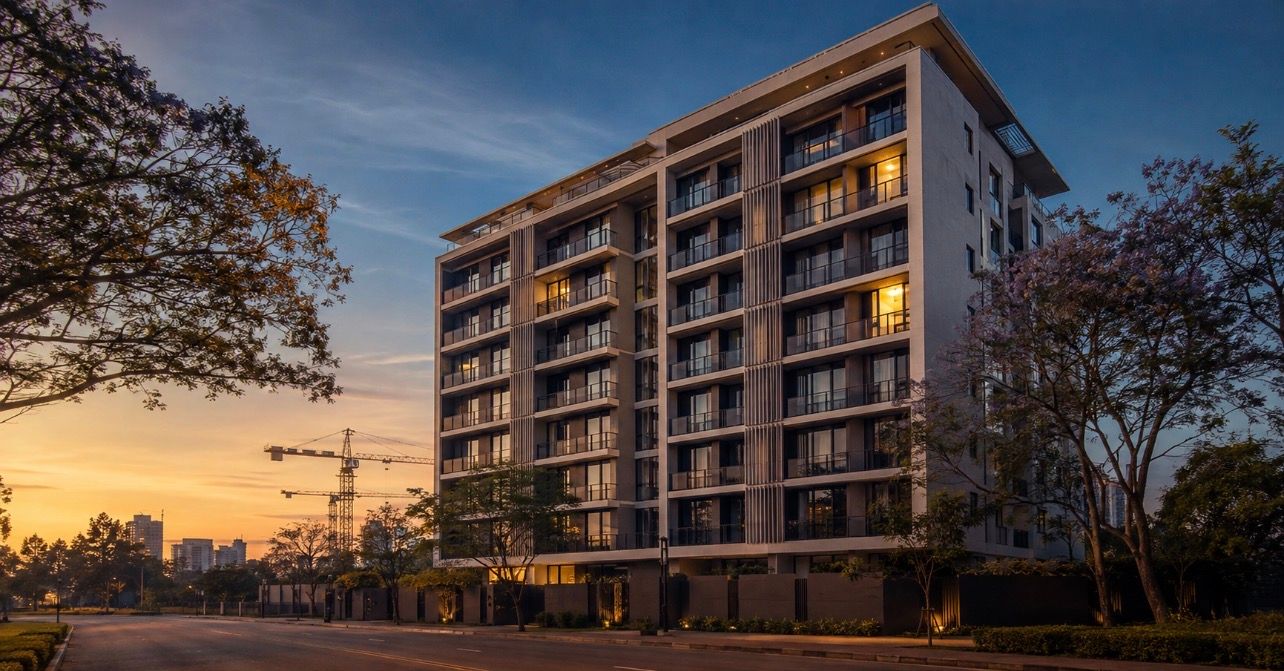
Trace the arc from the 1990s bungalow belt to today's glass-and-concrete skyline and five forces become visible — five ways in which architecture has not merely decorated Nairobi's prime neighbourhoods, but fundamentally constituted them.
It resets land value. The decision to build vertically on a Kilimani plot does not simply place more units on the same land — it changes the fundamental category of what that land is. A bungalow plot is residential inventory. A twelve-storey tower on the same plot is a commercial income-generating asset. This categorical shift is why land values in Kilimani increased sixfold between 2007 and 2019, even as other peri-urban areas saw sharper but more speculative gains.[11]
It determines who arrives. The architecture of a neighbourhood functions as a selection mechanism. When Kileleshwa's bungalows gave way to gated apartment blocks with 24-hour security, gymnasiums, and fibre-optic connectivity, it did not simply house more people — it curated a different kind of resident. Diplomats, expatriates, and senior professionals who might previously have lived in Muthaiga or Karen began to view the western suburbs as viable and desirable addresses.[1] The building, in this sense, is also a social document.
It forces infrastructure. The JICA-funded ring road project is the clearest example of this dynamic, but it is not the only one. Every major densification wave in Nairobi's prime suburbs has eventually compelled a corresponding public investment — roads, water mains, electrical grid upgrades, public transport routes. Architecture, by concentrating demand, creates the economic and political case for infrastructure that would not otherwise be built. This is why neighbourhoods with the most private architectural investment tend, over time, to also have the most public infrastructure.
It creates commercial gravity. Once residential density reaches a threshold, it becomes viable — and then inevitable — for commercial amenities to follow. The cafés, coworking spaces, pharmacies, boutique gyms, and gourmet grocery stores that now define Kilimani's street-level character did not precede the apartment boom. They were drawn in by it. iHub, Nairobi Garage, and The Kijiji — some of the most significant innovation and entrepreneurship spaces in East Africa — are embedded within Kilimani precisely because architecture had already assembled the critical mass of young, mobile, educated residents that such spaces require.[12]
It sets the ceiling for the entire corridor. Perhaps most significantly for property investors: the quality of the highest-design building in a neighbourhood elevates the perceived value of every other property nearby. When a developer constructs a genuinely beautiful building — one whose architecture communicates craftsmanship, material intelligence, and spatial generosity — it does not merely create a single premium asset. It repositions the postcode. This is why, in markets as dynamic as Nairobi's, architectural quality is not a luxury concern. It is the primary lever of neighbourhood transformation.
The bungalows of the 1990s are mostly gone now. Some remain — quiet holdouts on plots where an ageing title-holder has not yet sold, where the original garden still blooms in the shadow of a newer tower next door. They are beautiful in their way. They are also, increasingly, relics. Not because bungalows are without value — they carry extraordinary spatial intelligence — but because the economic and demographic forces that have gathered around Nairobi's western suburbs have rendered the single-occupancy model on prime urban land a kind of anachronism.
What replaces them matters enormously. Not every tower that rises in Kilimani or Kileleshwa earns its place in the skyline. The 2010s produced too many buildings that treated architecture as a cost to be minimised rather than an asset to be invested in. The 2020s are beginning to correct that error — and the property market data is reflecting it.
At Wande Realty, this is not an academic observation. It is the premise of every development we present and every investment conversation we hold. A neighbourhood is not a fixed thing. It is a living system, and architecture is its most powerful signal. When the signal is right — when the building is beautiful, when the materials are honest, when the space is designed for the humans who will inhabit it — the neighbourhood responds. Values rise. The right people arrive. Infrastructure follows. Commerce blooms. And the city, slowly, becomes more of what it always had the potential to be.
Verified Sources
- [1] Madison Manor / Kileleshwa profile — "From colonial-era settlement to bustling upscale neighbourhood." madisonmanor.co.za, 2016. [link]
- [2] Roselyne Olala & co-authors — "A Growing Middle Class and Real Estate Development: Spatial change and social conflicts in the densification of Kileleshwa, Nairobi." OpenEdition / EchoGéo, March 2024. [link]
- [3] Njora Waweru — "Real estate's dream lives on amid visible ruins." The Standard Media, June 2023. [link]
- [4] Sunday Nation investigative team — "Kenya's new property kings." Nation Africa. [link]
- [5] Nation Africa — "Troubled paradise: The changing face of Nairobi's Kileleshwa and Kilimani." Nation Africa, October 2023. [link]
- [6] University of Nairobi — "Morphological Transformation of Kileleshwa, Nairobi." Architecture & Human Rights Journal, UoN Journals, 2020. [link]
- [7] Serrari Group — "Nairobi's Luxury Property Boom: Why Prime Neighbourhood Prices Keep Climbing Above KSh 50 Million." serrarigroup.com, February 2026. [link]
- [8] The Wandering Investor — "Nairobi Real Estate Market: Investor Guide 2026." thewanderinginvestor.com, December 2025. [link]
- [9] Cytonn Investments — "Nairobi Metropolitan Area Residential Report 2025." cytonn.com. [link]
- [10] Avenue Valuers Ltd — "Understanding the Nairobi Real Estate Market." avenuevaluers.co.ke, February 2025. [link]
- [11] Tim Gillespie — "Road Corridors as Real Estate Frontiers: The New Urban Geographies of Rentier Capitalism in Africa." Antipode / Wiley Online Library, July 2024. [link]
- [12] Masion / Kilimani Neighbourhood Guide — "Kilimani: Where Modern Living Meets Culture in Nairobi." masion.co.ke, May 2025. [link]

Michael Baraka
Real Estate Advisor
Michael Baraka is a real estate professional with a background in Electrical and Telecommunications Engineering, bringing a unique blend of technical insight and market understanding to the property space. As the founder of Wande Realty, Michael is focused on redefining how people discover, evaluate, and invest in real estate by integrating technology with a client-first approach. His work centers on simplifying the property journey while delivering tailored solutions for buyers, sellers, and investors. Through Wande Realty, he leads a team committed to combining data-driven decision-making with personalized service — ensuring every client experiences a seamless and informed process. At its core, Wande Realty is built on a simple philosophy: real estate is not just about property, but about building lasting relationships and helping people find spaces that truly fit their lives.
Related Residences, Developments & Neighbourhoods
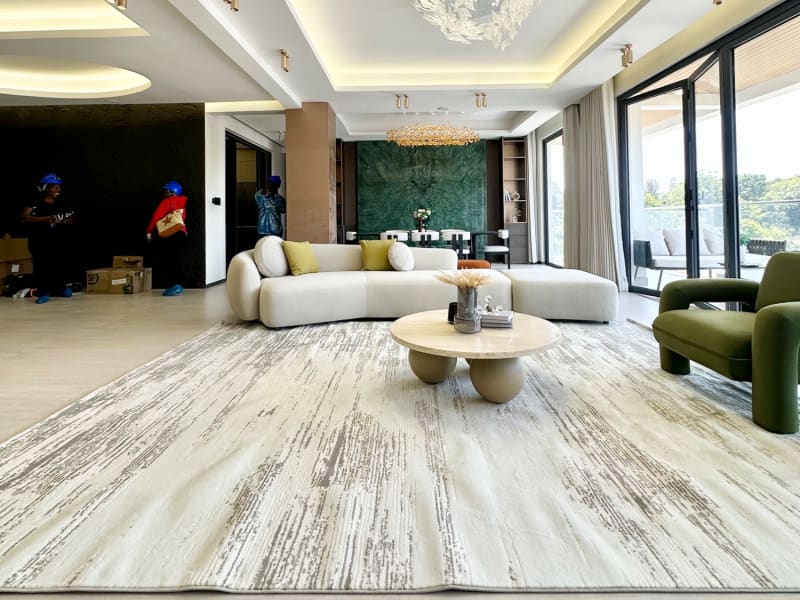
Westlands· Westlands,Nairobi.
an exclusive, luxury residential development located on Brookside Gardens Drive in Westlands, Nairobi.
Where luxury meets comfort.
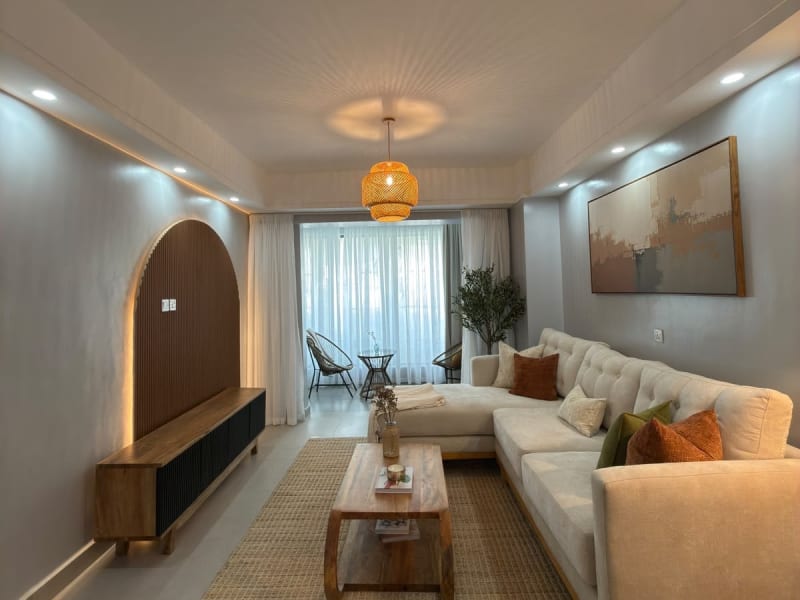
Kilimani· Menelik Road, Off Ngong Road, Kilimani, Nairobi
Modern 2 Bedroom Apartment for Sale in Kilimani
Modern urban living with strong investment potential in Kilimani

Westlands· Brookside Grove, Westlands, Nairobi
Luxury Apartments for Sale in Brookside, Westlands
Where Luxury Meets Strategic Brilliance

Kilimani· Elgeyo Road, Kilimani, Nairobi
Ultra-Luxury Apartments for Sale in Kilimani, Nairobi
Where Bespoke Luxury Meets Smart Urban Living
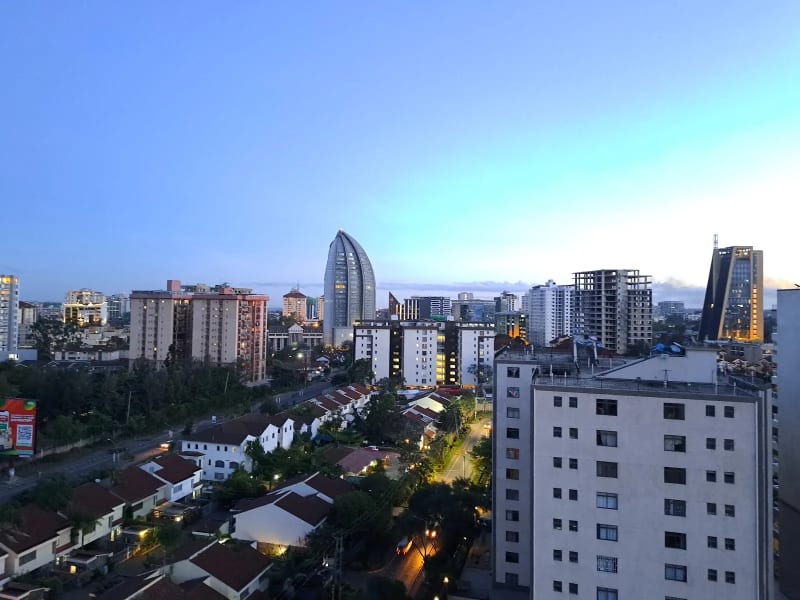
Featured Neighbourhood
Kilimani
Nairobi's vibrant apartment district with exceptional rental demand and investment potential.

Featured Neighbourhood
Runda
Prestigious Embassy Living in a Secure Garden Suburb

Featured Neighbourhood
Kitisuru
Exclusive Green Living with Luxury Homes & Privacy