Nairobi’s Quiet Transformation: The Rise of Kilimani, Westlands, Hurlingham and Parklands
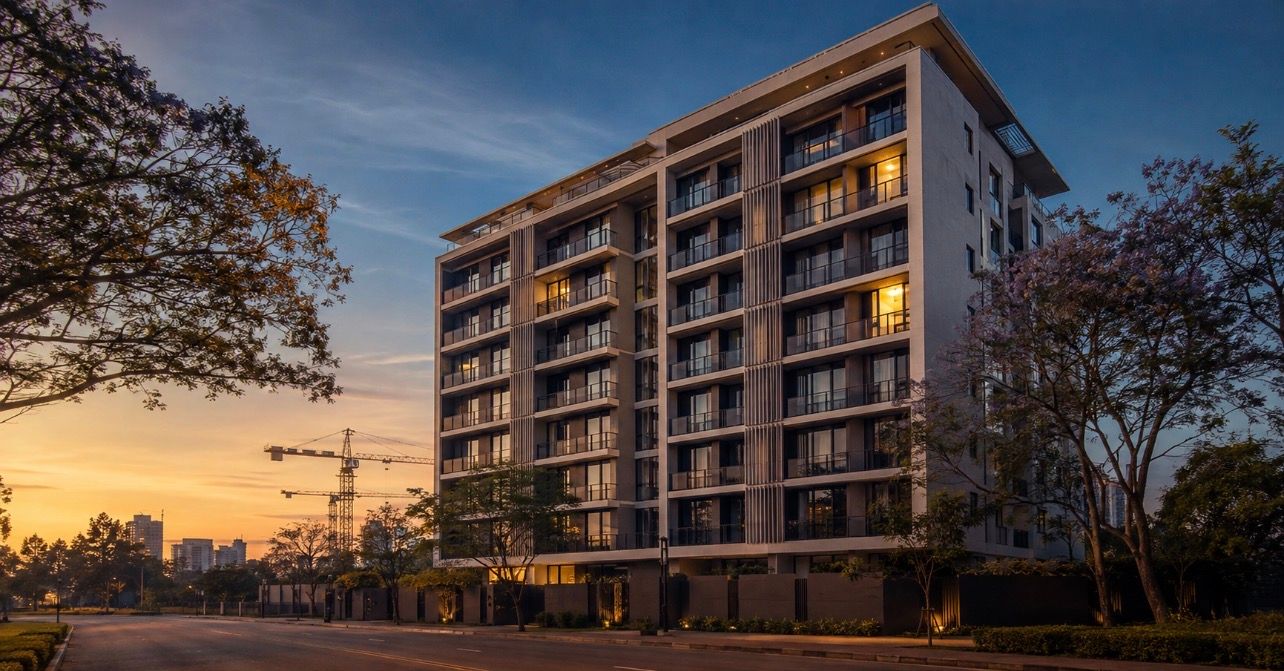
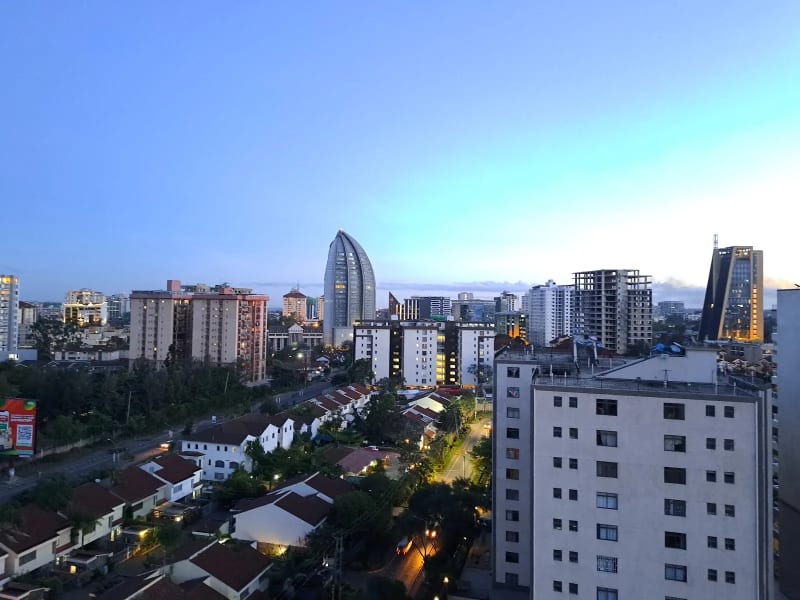
A quiet but powerful transformation is reshaping parts of Nairobi. Neighborhoods like Kilimani, Westlands, Hurlingham, and Parklands are experiencing a wave of redevelopment as modern residential towers replace older homes and low-rise apartments. With cranes filling the skyline and new developments appearing every few blocks near places like Yaya Centre, Nairobi is steadily building upward. Some locals even joke that with so many buildings rising side by side, you could almost parkour from Yaya Centre to Hurlingham — a humorous way of describing just how quickly the city is transforming.
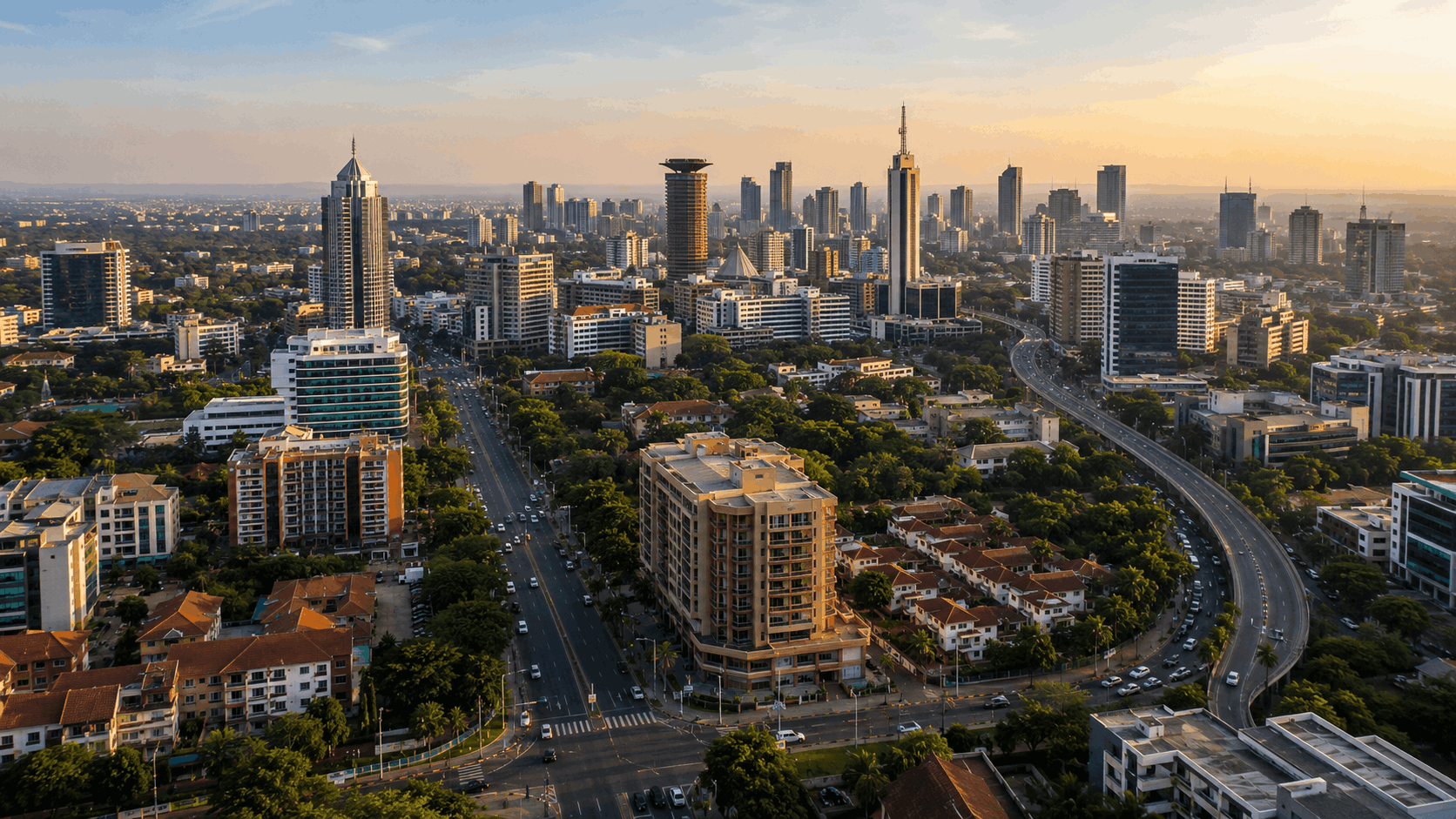
Over the past decade, parts of Nairobi have been changing faster than ever.
Neighborhoods like Kilimani, Westlands, Hurlingham, and Parklands are experiencing a wave of redevelopment that is reshaping both the city’s skyline and the way people live.
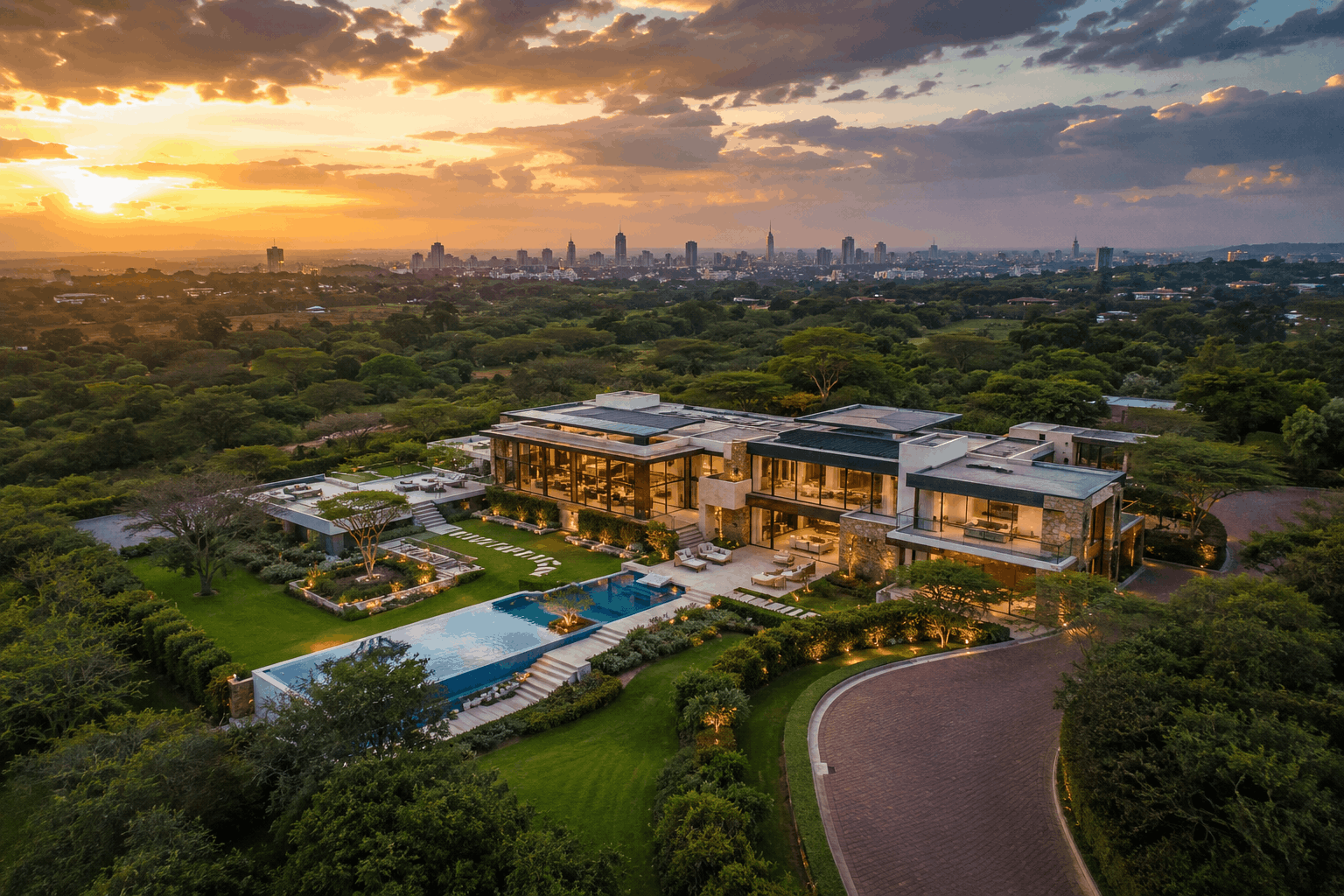
Where once stood single-family homes and low-rise apartments, modern residential towers and mixed-use developments are quickly becoming the new norm. Developers are responding to a growing demand for housing close to commercial hubs, universities, and lifestyle centers.
A Closer Look: The Yaya Centre Corridor
One of the most visible examples of this transformation can be seen around Yaya Centre.
The stretch connecting Kilimani to Hurlingham has become one of the most active construction corridors in the city. Almost every few blocks, a new residential development is rising — from compact studio apartments to high-end luxury residences with rooftop pools, gyms, and panoramic views of Nairobi.
Expansion into Westlands and Parklands
The same trend is evident in Westlands and Parklands, where strong commercial growth has encouraged high-density residential development.
These areas are increasingly attractive to:
- Professionals
- Expatriates
- Property investors
All drawn by proximity to offices, restaurants, and shopping centers.
Kilimani and Hurlingham: A Visible Shift
In Kilimani and Hurlingham, the transformation is so noticeable that locals often joke about it.
With so many apartment buildings rising side by side, you could almost imagine someone doing parkour from rooftop to rooftop all the way from Yaya Centre to Hurlingham — though of course, that’s just a humorous exaggeration.
The Bigger Picture: Why This Is Happening
Behind the humor lies a deeper urban shift.
- Nairobi’s population continues to grow
- Land in prime areas is becoming increasingly scarce
- Demand for proximity to the city remains high
As a result, vertical living is becoming the practical solution.
Developers are maximizing limited land by building higher and integrating modern amenities designed for today’s urban lifestyle.
The Challenges That Come With Growth
Rapid development does not come without pressure.
Key concerns include:
- Traffic congestion
- Strain on utilities (water, power, sewer systems)
- Loss of older homes and neighborhood character
These are conversations increasingly taking place among both city planners and residents.
A City in Transition
Despite these challenges, the transformation reflects Nairobi’s evolution into a more modern and globally connected city.
For:
- Investors
- Homeowners
- Renters
Areas like Kilimani, Westlands, Parklands, and Hurlingham are now among the most dynamic real estate markets in the country.
Final Observation
For anyone walking through these neighborhoods today, the cranes on the skyline tell a clear story:
Nairobi is building upward.
And its urban landscape is being rewritten — one development at a time.

Related Residences, Developments & Neighbourhoods
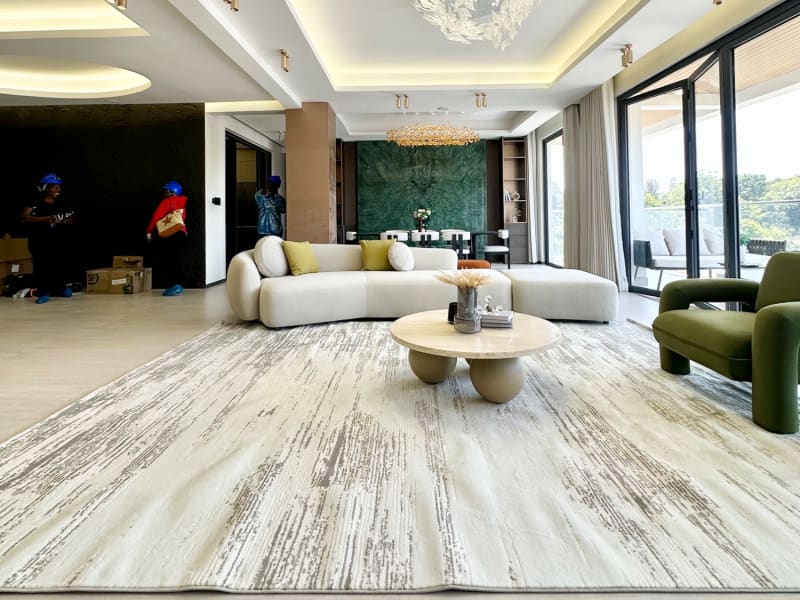
Westlands· Westlands,Nairobi.
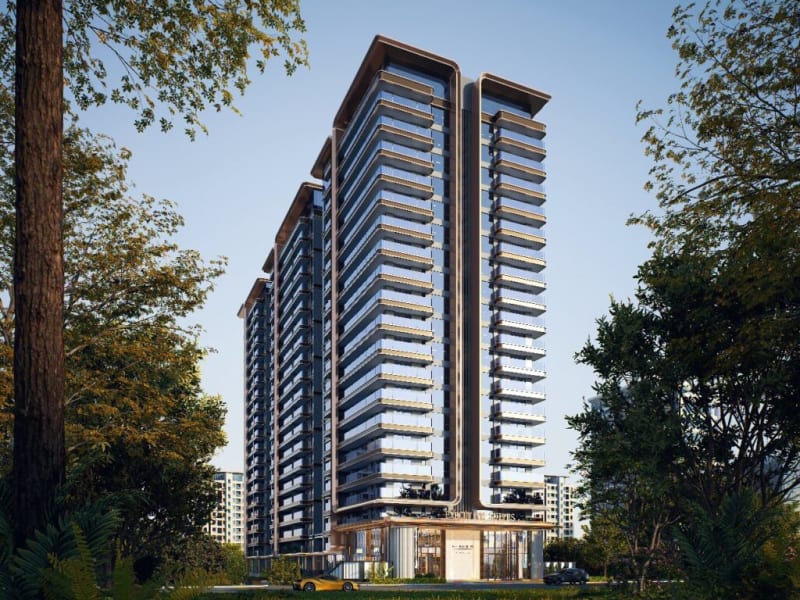
an exclusive, luxury residential development located on Brookside Gardens Drive in Westlands, Nairobi.
Where luxury meets comfort.
Kilimani· Menelik Road, Off Ngong Road, Kilimani, Nairobi
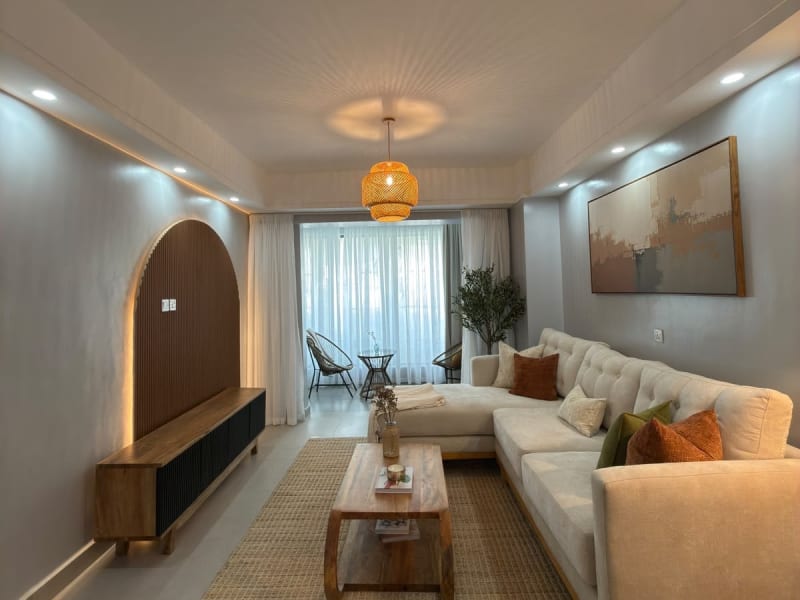
Modern 2 Bedroom Apartment for Sale in Kilimani
Modern urban living with strong investment potential in Kilimani
Featured Neighbourhood
Kilimani
Nairobi's vibrant apartment district with exceptional rental demand and investment potential.

Featured Neighbourhood
Runda
Prestigious Embassy Living in a Secure Garden Suburb

Featured Neighbourhood
Kitisuru
Exclusive Green Living with Luxury Homes & Privacy