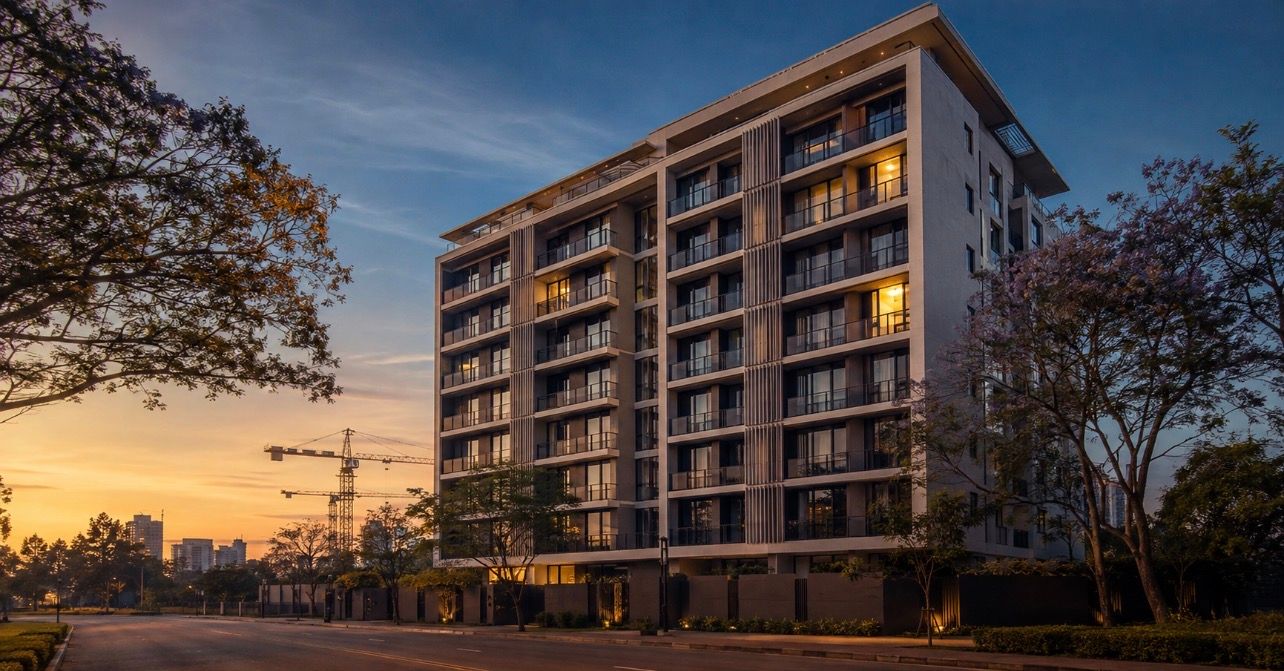
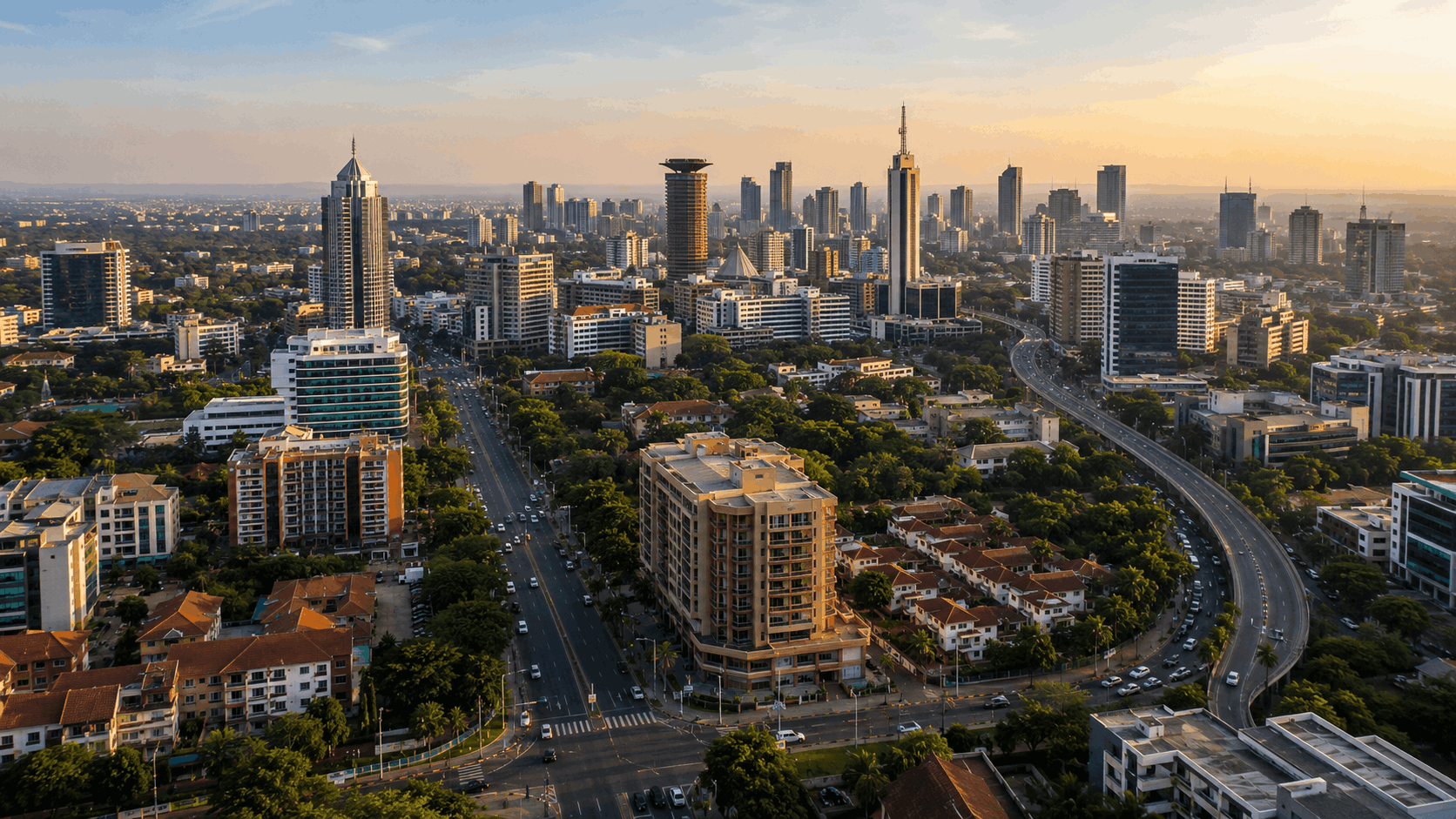
Why Kenya’s Ultra-Wealthy Are Flocking to Upmarket Nairobi Real Estate: A Deep Dive into Luxury Property Investment
Discover why Kenya’s high-net-worth individuals are pouring capital into Nairobi’s luxury property market. From 6–9% rental yields to generational wealth preservation, here’s what drives elite investment in Karen, Runda, Muthaiga, Kilimani, and Westlands.
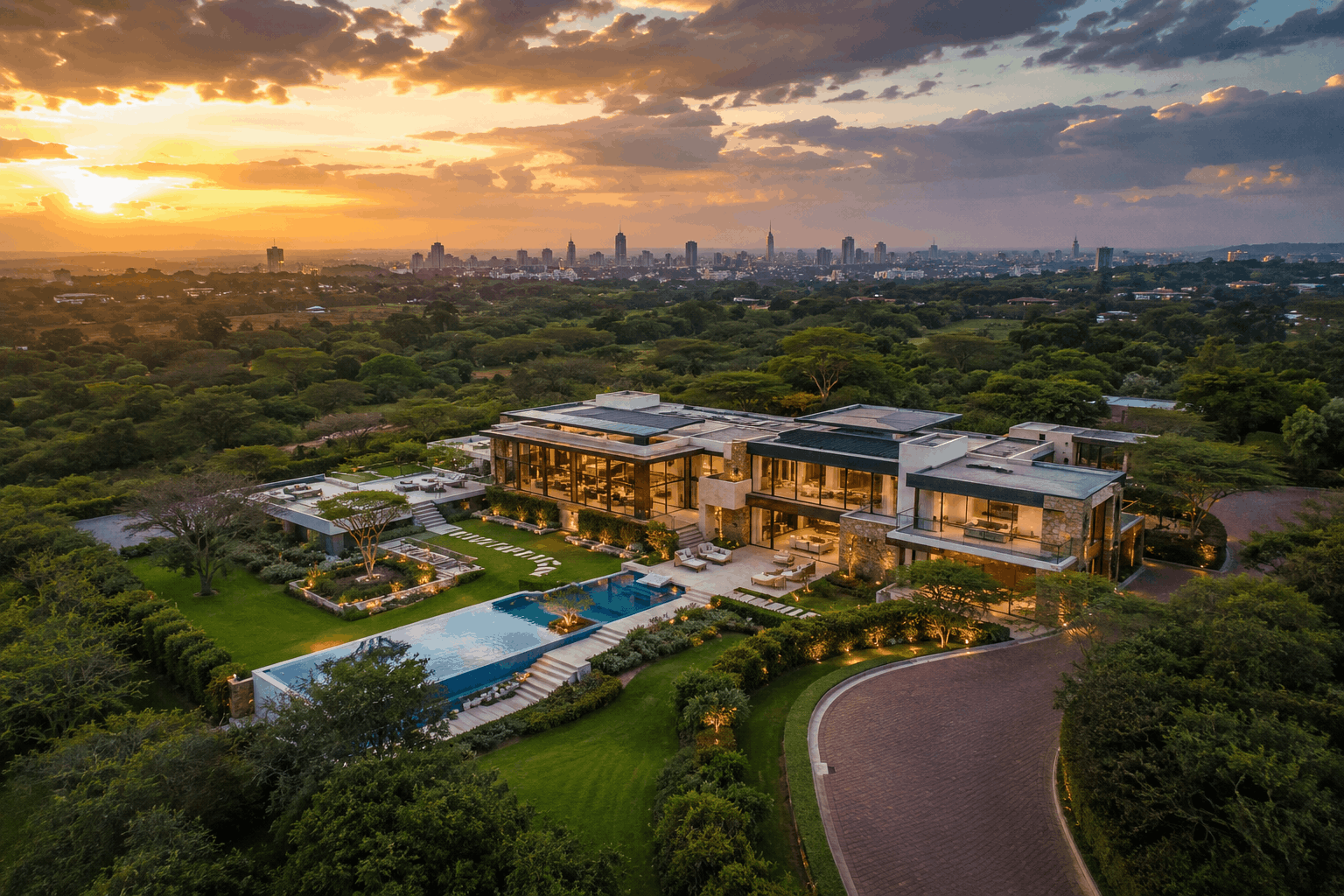
There is an unspoken rule among Nairobi's financial elite: biasa houses are for everyone else. Drive through the leafy avenues of Karen, the manicured boulevards of Runda, or the hilltop enclaves of Muthaiga, and you will not find compromise. You will find legacy. You will find generational wealth parked in mortar, steel, and acreage. And you will find one of the most compelling investment narratives in East Africa today.This is not vanity. This is strategy.Kenya's upmarket real estate market has become the preferred playground for the country's burgeoning wealthy class—and the numbers tell a story that no amount of chai-stand skepticism can dismiss. With Nairobi now hosting approximately 4,200 dollar-millionaires and the national count projected to reach 16,900 by 2026, the demand for prime property is not just growing. It is accelerating.So why are Kenya's richest pouring capital into Karen villas, Westlands penthouses, and Kilimani skyscrapers? Let us unpack the economics, the psychology, and the enduring logic behind the upmarket investment surge.
The Wealth Explosion: Understanding the Buyer Pool
Before analyzing the what, we must understand the who.The 2024 Africa Wealth Report paints a clear picture: Kenya's high-net-worth individual (HNWI) population is expanding faster than most analysts predicted. Nairobi, as the commercial and diplomatic capital of East Africa, naturally concentrates this wealth. With nearly half of the country's millionaires residing in the capital, the city has become a magnet for luxury developers, international architects, and discerning buyers.But this is not merely about having money. It is about what wealthy Kenyans do with it.Unlike retail investors who might dabble in equities or fixed deposits, Kenya's elite operate with a different risk calculus. They have witnessed currency devaluation. They have navigated political transitions. They have watched inflation erode paper wealth. And they have learned—sometimes painfully—that tangible assets outperform promises.Enter prime real estate.
Prime Suburbs, Prime Prices: The Geography of Wealth
If you want to understand where Kenya's rich park their money, follow the land values.In Nairobi's ultra-exclusive suburbs—Karen, Runda, Muthaiga, Kilimani, Westlands, and Kileleshwa—land commands between KSh75 million and KSh250 million per acre. Let that sink in. A single acre in Karen can cost more than a commercial shopping complex in a secondary town. An acre in Muthaiga, with its diplomatic proximity and old-money pedigree, sits at the apex of this pricing pyramid.These are not arbitrary numbers. They reflect:
- Scarcity: Prime land in these suburbs is finite. You cannot manufacture more acreage in Runda.
- Infrastructure: Gated roads, private security networks, international schools, and medical facilities cluster in these zones.
- Exclusivity: Zoning regulations and homeowners' associations maintain character and prevent overdevelopment.
- Social Capital: In Kenya, your address is your introduction. A Karen or Muthaiga postcode signals arrival, stability, and network access.
For the ordinary Kenyan, these prices seem astronomical. For the wealthy, they represent entry tickets to an appreciating asset class with built-in scarcity.
The Numbers That Matter: Returns, Yields, and Capital Growth
Let us talk about what every serious investor wants to know: What do I earn?Industry data and property indices consistently show that prime luxury homes in Nairobi deliver approximately 5–10% annual price growth and 6–9% gross rental yields. These are not speculative figures—they are tracked, audited, and verified across multiple reporting periods.
Capital Appreciation
In Karen and Runda, well-located villas have appreciated at rates exceeding 8% annually over the past five years. In Kilimani and Westlands, luxury apartments—particularly penthouses and corner units with unobstructed views—have seen similar or stronger growth. The HassConsult Property Index, which tracks quarterly movements across Nairobi's prime zones, confirms sustained upward pressure on prices despite broader economic headwinds.Why? Because supply is structurally constrained while demand is structurally growing. Every new millionaire in Nairobi is a potential buyer. Every new diplomatic mission adds expatriate tenants. Every multinational regional headquarters creates executive housing demand. The demand curve bends upward; the supply curve barely budges.
Rental Yields
On the income side, a Westlands penthouse or Kilimani executive apartment can generate 6–9% gross rental yield annually. For context, this compares favorably with:
- Government bonds (currently yielding 10–14% but exposed to interest rate and reinvestment risk)
- Equities (volatile, with dividend yields often below 5%)
- Fixed deposits (typically 6–9% but eroded by inflation and taxation)
A local property advisor captured it perfectly: "A Westlands home is like a savings account that drinks champagne." It is stable. It is liquid (relatively, in prime markets). And it is deeply impressive.
The Total Return Picture
Combine capital appreciation (say, 7%) with rental yield (say, 7%), and you arrive at a total annual return of approximately 14%—before leverage. For investors who finance purchases through structured mortgage products or commercial facilities, the leveraged returns can be substantially higher.Compare this with the Nairobi Securities Exchange, which has delivered volatile and often negative returns in recent years, or with the Kenya Shilling, which has depreciated against the dollar. The case for prime property becomes self-evident.
Beyond Returns: Property as a Wealth Preservation Tool
Here is where the conversation shifts from investment to preservation.Kenya's wealthy do not merely want to grow their capital. They want to protect it from erosion. In an environment where inflation has periodically spiked above 8%, where currency depreciation is a recurring narrative, and where political risk premiums affect financial markets, real estate functions as a fortress.
Inflation Hedging
Land and construction materials appreciate with inflation. When cement prices rise, replacement costs for existing homes rise. When steel becomes more expensive, the value of steel-framed buildings increases. This natural inflation linkage means that property values tend to track or exceed inflation over time.Knight Frank's research on Kenya's wealthy confirms this trend: many tycoons are snapping up farmland and prime urban property explicitly "as a hedge against inflation." The farmland provides agricultural diversification and land-banking. The urban property provides rental income, liquidity, and lifestyle utility.
Currency Diversification
For dollar-millionaires in Kenya, holding prime property—especially in neighborhoods popular with expatriates who pay dollar-denominated or dollar-linked rents—provides an implicit currency hedge. While the property is priced in Kenya Shillings, the rental income stream and resale market often correlate with dollar purchasing power.
Generational Transfer
Perhaps the most powerful argument for upmarket property is legacy. A Muthaiga estate or Karen villa is not merely a home. It is a generational asset—something that can be held in family trusts, passed to children, and maintained as a symbol of enduring success.Knight Frank notes that many ultra-rich homeowners are keeping their mansions exclusively for personal use, not renting them out. These are not income properties. They are safe-havens—physical repositories of family history and social capital that happen to appreciate in value.
The Lifestyle Premium: Why Status Drives Investment
We cannot discuss upmarket real estate without addressing the elephant in the room: status.In Nairobi, your address is your business card. It signals where you bank, who you know, and what circles you move in. A Runda address says old money, established power. A Westlands penthouse says new money, global outlook. A Karen estate says family, space, and discretion.This is not superficial. In emerging markets, social signaling is economic signaling. When a business owner entertains clients in a Muthaiga home, the property itself becomes a trust-building tool. When a corporate executive leases a Kilimani apartment, the address becomes part of their compensation and retention package.The wealthy understand this intuitively. A luxury home is not an expense. It is a marketing asset, a networking platform, and a personal brand statement—all while appreciating in value.
Diversification Trends: Are the Rich Moving Away from Property?
A fair question arises: if property is so compelling, why do reports suggest some wealthy Kenyans are shifting capital to bonds, REITs, and data centers?The answer is diversification, not abandonment.Sophisticated investors do not put all eggs in one basket. Knight Frank's research highlights that Kenya's ultra-rich are indeed exploring:
- Bonds: For fixed-income stability and capital preservation
- REITs: For real estate exposure without direct property management
- Data Centers: As a play on Kenya's digital infrastructure boom
- Farmland: For agricultural yield and land-banking
However, the critical distinction is this: the property they retain is the property they live in. The remaining homeowners in the ultra-luxury segment are not landlords seeking yield. They are families seeking sanctuary. The homes they keep—often in the most prestigious suburbs—are lifestyle and legacy assets first, investments second.This creates a fascinating market dynamic. The rental market for luxury homes is increasingly supplied by corporate investors, REITs, and developers—not individual wealthy owners. The individual wealthy owner has moved upmarket into the personal use tier, removing supply from the rental pool and supporting rental price growth.
The Supply Squeeze: Why Prices Will Likely Keep Rising
Let us conclude with structural economics.Nairobi's prime suburbs face a supply squeeze that is unlikely to reverse:
- No New Land: Karen, Runda, and Muthaiga are largely built out. Infill development is restricted by zoning and community opposition.
- Infrastructure Constraints: Even where land exists, water, road, and power infrastructure limits density.
- Regulatory Hurdles: Building approvals in prime zones are complex, time-consuming, and expensive.
- Developer Focus: With land costs so high, developers increasingly target the ultra-luxury segment to justify construction costs—further limiting mid-tier supply and pushing average prices upward.
Meanwhile, demand drivers strengthen every year:
- Kenya's millionaire population grows
- Regional headquarters (UN, multinationals, NGOs) expand
- The African Continental Free Trade Area (AfCFTA) increases Nairobi's strategic importance
- Diaspora remittances—often directed toward property—continue rising
The result? A structural bull market in prime Nairobi real estate that may persist for decades.
Practical Takeaways for Aspiring Upmarket Investors
If you are considering entering Nairobi's luxury property market—whether as a wealthy Kenyan, a diaspora investor, or a regional buyer—here are the strategic imperatives:
1. Location Discipline
Not all "prime" addresses are equal. Karen offers space and prestige but lower rental yields. Westlands and Kilimani offer liquidity and strong yields but less capital appreciation per square foot. Match your location to your objective: lifestyle/legacy = Karen/Runda/Muthaiga; yield/liquidity = Kilimani/Westlands/Kileleshwa.
2. Developer Vetting
The luxury segment has attracted opportunistic players. Verify developer track records, financial capacity, and project completion history. Visit completed projects. Speak to existing buyers. The Sectional Properties Act 2020 provides legal frameworks for apartment ownership, but enforcement requires vigilance.
3. Due Diligence
Engage independent valuers, property lawyers, and structural engineers. In the luxury segment, hidden defects—soil issues, title disputes, encumbrances—can be catastrophic. Budget 1–2% of purchase price for professional fees. It is cheap insurance.
4. Financing Strategy
While many wealthy buyers purchase cash, strategic leverage can amplify returns. Current mortgage rates for prime properties range between 11–14%. If your total return expectation is 14%+, leverage is accretive. Structure carefully.
5. Long-Term Holding
Prime real estate is not a trading asset. Plan for 5–10 year holding periods to capture full appreciation cycles. Short-term flipping is possible in hot markets but carries transaction cost penalties and tax implications.
6. Diversify Within Real Estate
Consider a portfolio approach: a Karen villa for legacy, a Kilimani apartment for rental yield, and perhaps a commercial unit in Westlands for diversification. Real estate is not monolithic.
The Bottom Line
Kenya's wealthy are not buying upmarket property because they are vain. They are buying it because it works.It preserves wealth against inflation. It generates income through rents. It appreciates through scarcity. It signals status and opens doors. And it creates a physical legacy that can outlast market cycles, political transitions, and currency fluctuations.A Westlands penthouse is not just a home. It is a savings account that drinks champagne—and pays you while doing so.A Karen villa is not just a residence. It is a generational safe-haven that compounds in value while your family compounds in memory.And a Muthaiga estate is not just an address. It is an introduction, a credential, and a statement—all wrapped in red soil and acacia trees.In the end, whether you are chasing Westlands views or low-key Karen sunsets, the logic is the same. In a world of uncertainty, prime Nairobi property offers something rare: certainty. Certainty of asset. Certainty of return. And certainty that, whatever happens, you have somewhere to call your own.We've got to live. We've got to live, man. And if we are going to live, we might as well do it somewhere that appreciates.
Verified Sources & References
Official & Peer Reviewed2024 Africa Wealth Report
“Projects approximately 16,900 dollar-millionaires in Kenya by 2026, with Nairobi hosting roughly 4,200 high-net-worth individuals.”
Knight Frank Kenya Wealth Report 2024
“Documents the shift among ultra-rich investors toward alternative assets while maintaining prime residential holdings as lifestyle and legacy assets.”
Kenya National Bureau of Statistics (KNBS)
“Official government data on land values, construction costs, and property price indices across Nairobi’s prime residential zones.”
HassConsult Property Index Q2 2025
“Tracks quarterly price movements in Nairobi’s luxury suburbs, reporting sustained demand in Karen, Runda, Muthaiga, and Kilimani.”
Central Bank of Kenya Annual Report 2025
“Provides macroeconomic context on inflation trends, interest rate movements, and their impact on real estate as an inflation hedge.”

Antony Baragu
Real estate strategist
Antony Baragu is a forward-thinking real estate professional and founding partner of Wande Realty, bringing a unique blend of technology, strategy, and market insight into the property space. With a background in software engineering and digital systems, Antony approaches real estate differently , leveraging data, user experience, and modern platforms to simplify how people discover, evaluate, and invest in property. At Wande Realty, he plays a key role in building a tech-driven real estate experience that goes beyond traditional listings , creating a platform where buyers, investors, and renters can explore opportunities with clarity and confidence. His focus spans residential developments, off-plan investments, and high-demand urban properties, particularly within Nairobi’s fast-growing neighborhoods such as Kilimani, Westlands, and Lavington. Antony is driven by a simple vision: to make real estate more accessible, transparent, and intelligently designed for the modern market.

Michael Baraka
Real Estate Advisor
This article has been reviewed by Michael Baraka to ensure the accuracy, completeness, and validity of all market metrics, property details, and investment guidance.
Related Residences, Developments & Neighbourhoods
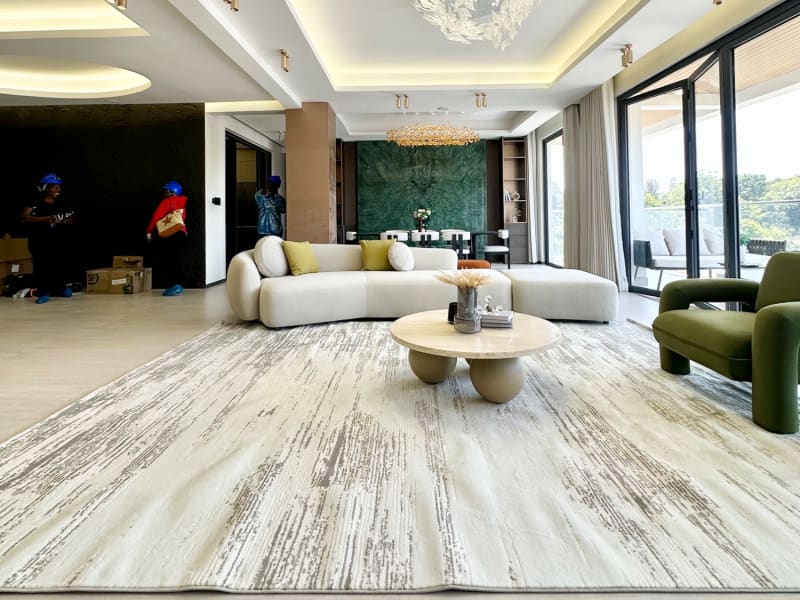
Westlands· Westlands,Nairobi.
an exclusive, luxury residential development located on Brookside Gardens Drive in Westlands, Nairobi.
Where luxury meets comfort.
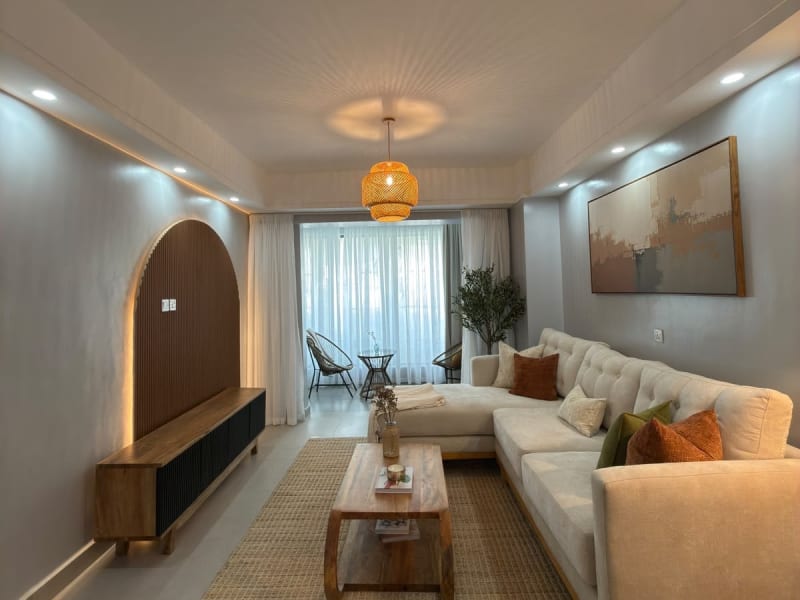
Kilimani· Menelik Road, Off Ngong Road, Kilimani, Nairobi
Modern 2 Bedroom Apartment for Sale in Kilimani
Modern urban living with strong investment potential in Kilimani

Westlands· Brookside Grove, Westlands, Nairobi
Luxury Apartments for Sale in Brookside, Westlands
Where Luxury Meets Strategic Brilliance

Kilimani· Elgeyo Road, Kilimani, Nairobi
Ultra-Luxury Apartments for Sale in Kilimani, Nairobi
Where Bespoke Luxury Meets Smart Urban Living

Featured Neighbourhood
Kilimani
Nairobi's vibrant apartment district with exceptional rental demand and investment potential.
Featured Neighbourhood
Westlands
Nairobi’s premier commercial and luxury residential district with exceptional investment potential.
Featured Neighbourhood
Karen
Nairobi’s premier luxury suburb, offering spacious homes, green landscapes and exceptional family living.
Featured Neighbourhood
Runda
Prestigious Embassy Living in a Secure Garden Suburb
Featured Neighbourhood
Muthaiga
Nairobi’s Most Prestigious Garden Estate
Featured Neighbourhood
Kileleshwa
A peaceful, upscale neighbourhood offering elegant apartment living close to Nairobi’s key business districts.
Featured Neighbourhood
Lavington
One of Nairobi’s most prestigious residential neighbourhoods, known for luxury homes, green surroundings and family living.