Transport Strikes & Real Estate in Nairobi: Why Location Is More Than Just Price
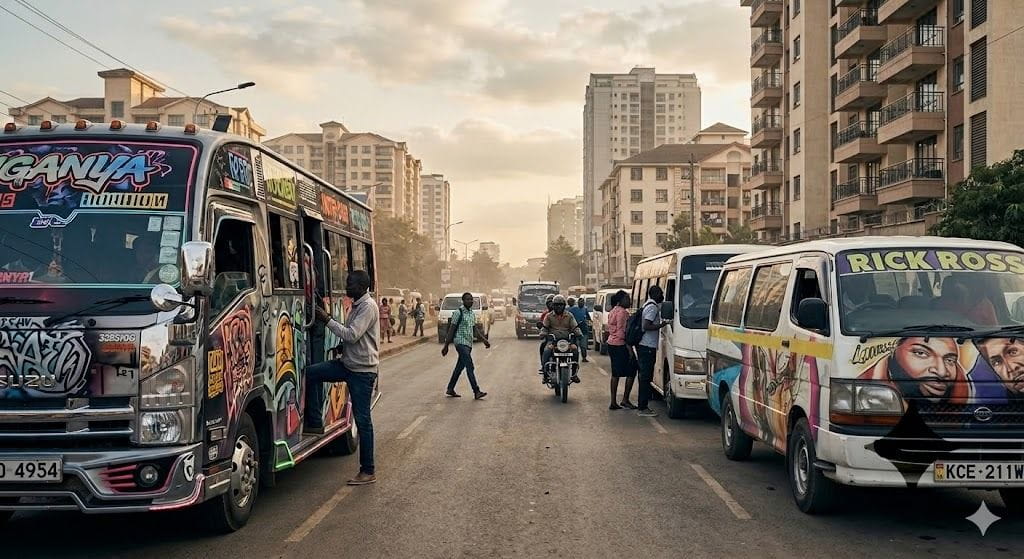
A PSV strike in Nairobi reveals a hidden truth about real estate — transport access, walkability, and resilience may matter more than location or price.
A PSV strike in Nairobi reveals a hidden truth about real estate — transport access, walkability, and resilience may matter more than location or price.
A City Built on Mobility
Nairobi is often described in terms of location, price, and lifestyle.
But there is one factor that quietly determines how livable any neighbourhood truly is:
Transport access.
A recent PSV (Public Service Vehicle) strike exposed just how critical this factor is.
Within hours:
- Movement across the city slowed dramatically
- Businesses opened late
- Entire neighbourhoods experienced very different realities
Nairobi’s urban structure is deeply dependent on informal and semi-formal transport systems — primarily matatus and boda bodas.
Unlike cities built around rail or structured transit, Nairobi runs on a dynamic, road-based network connecting residential areas to key hubs like:
When this network is disrupted, the effects ripple across the entire city.
The Emergence of Transport Inequality
One of the most striking observations during the PSV strike was how differently neighbourhoods responded.
High-Access Neighbourhoods
In areas like Kilimani and Westlands:
- Residents quickly shifted to ride-hailing services
- Car ownership cushioned the disruption
- Work continuity remained relatively stable
These areas demonstrate transport flexibility — multiple alternatives exist when one system fails.
Properties worth exploring:
→ Wilma Towers, Kilimani — a well-connected address at the heart of Nairobi's most transport-resilient corridor
→ Riverside 1, Westlands — premium living in one of the city's most accessible and walkable neighbourhoods
Transport-Dependent Neighbourhoods
In contrast, areas with limited alternatives experienced:
- Sudden spikes in boda boda pricing
- Reduced workforce mobility
- Significant disruption to daily life
In real estate terms: lower resilience = lower long-term livability and investment strength.
Walkability: The Overlooked Real Estate Metric
Transport disruptions highlight something often ignored in listings:
Walkability.
In many Nairobi neighbourhoods:
- Essential services are not within walking distance
- Pedestrian infrastructure is inconsistent or missing
- Daily life depends on motorised transport
Properties in walkable micro-environments — where residents can access basic needs on foot — show significantly higher resilience.
The question shifts from:
“How close is it to town?”
to
“Can I function here without transport?”
Example:
→ Nandwa Ivy, Lavington — located in a walkable, self-contained neighbourhood with access to malls, schools, and green spaces
The Hidden Cost of “Prime Locations”
Areas like Kilimani, Kileleshwa, and Westlands are often marketed as prime due to proximity.
But transport disruptions reveal a deeper reality:
- Accessibility becomes cost-dependent (Uber, taxis, private cars)
- Convenience becomes tied to income level
- Infrastructure gaps become more visible
Meanwhile:
- Some lower-cost areas offer better walkability
- Easier access to local markets and essentials
- Stronger community-based systems
Price does not always equal practicality.
What This Means for Property Buyers & Renters
Transport resilience should now be a core decision factor.
Before committing, ask:
- Are there multiple transport options available?
- How accessible are essential services on foot?
- What happens here during transport disruptions?
- Is the area dependent on a single transport system?
This matters especially for:
- Young professionals
- Families
- Remote workers with occasional mobility needs
Implications for Developers & Investors
PSV disruptions highlight a clear opportunity:
Build for self-sufficiency.
Modern developments should integrate:
- Retail spaces
- Co-working areas
- Recreational facilities
This reduces reliance on daily commuting and increases long-term value.
“Close to town” is no longer enough.
Future-ready developments should prioritise:
- Road network quality
- Alternative transport access
- Pedestrian-friendly design
A Shift in How We Define Value
The PSV strike made one thing clear:
Transport is not a convenience — it is infrastructure.
And in Nairobi, it is one of the strongest drivers of:
- Property value
- Tenant satisfaction
- Investment viability
Final Thought
As Nairobi continues to grow, the most valuable properties will not simply be:
- The most beautiful
- The most central
They will be the ones that remain functional under pressure.
Because in a city where movement drives everything,
the best place to live isn’t just where you can afford — it’s where you can still function when everything else stops.
Explore with Wande Realty
Explore transport-resilient properties with Wande Realty
- Instagram: @wande_realty
- TikTok: @wanderealty

Related Residences, Developments & Neighbourhoods

Westlands· Westlands,Nairobi.
an exclusive, luxury residential development located on Brookside Gardens Drive in Westlands, Nairobi.
Where luxury meets comfort.

Kilimani· Menelik Road, Off Ngong Road, Kilimani, Nairobi
Modern 2 Bedroom Apartment for Sale in Kilimani
Modern urban living with strong investment potential in Kilimani

Westlands· Brookside Grove, Westlands, Nairobi
Luxury Apartments for Sale in Brookside, Westlands
Where Luxury Meets Strategic Brilliance

Kilimani· Elgeyo Road, Kilimani, Nairobi
Ultra-Luxury Apartments for Sale in Kilimani, Nairobi
Where Bespoke Luxury Meets Smart Urban Living
Featured Neighbourhood
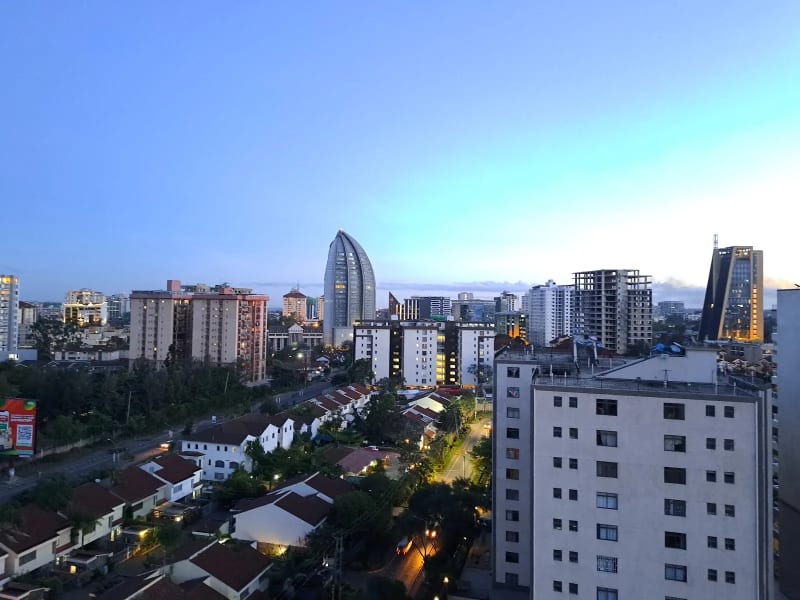
Kilimani
Nairobi's vibrant apartment district with exceptional rental demand and investment potential.

Featured Neighbourhood
Runda
Prestigious Embassy Living in a Secure Garden Suburb

Featured Neighbourhood
Kitisuru
Exclusive Green Living with Luxury Homes & Privacy