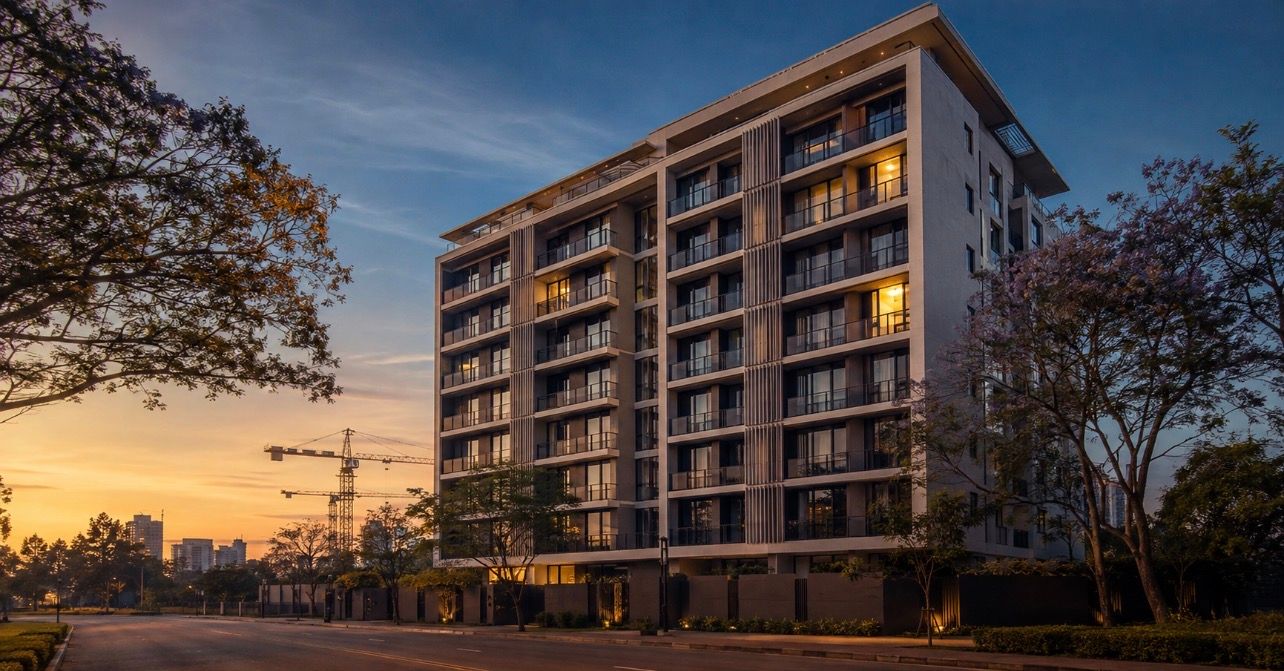
Service Charge in Kenya · What It Is · Who Pays · What Happens When You Don't
You saved for years. You negotiated the price down. You paid stamp duty, legal fees, and the agent's commission. You moved in. And then, on the first of the following month, you received a bill you did not budget for. Welcome to service charge.

It is one of the most misunderstood costs in Kenyan real estate — quietly inserted into sale agreements, often mentioned in passing, rarely explained in full.
People buy apartments in Kilimani and Kileleshwa and Westlands having thought carefully about the purchase price and the mortgage repayments, only to discover that there is a recurring monthly obligation that was always there in the fine print, waiting.
Not a scam.
Not a landlord being creative.
A legitimate, legally grounded cost that comes with owning or renting any unit in a managed development.
But one that, if you did not read the agreement carefully, can still feel like a shock.
Who This Article Is For
This article is for anyone who has bought, is about to buy, or is renting in one of Nairobi's prime residential areas — and wants to understand:
- What service charge is
- Who it goes to
- What it pays for
- What happens if you refuse to pay it
- Whether you should pass it on to your tenant
- Whether it applies to villas and gated communities
Let us go through it properly.
What It Actually Is
Service charge is not rent.
It is not a government tax.
It is not an invention of your property manager.
It is the cost of keeping shared spaces alive.
By definition, a service charge is a fee paid by a homeowner or tenant to the managing agent of a property — whether that is the landlord directly, a residents' association, or a professional property management company — in exchange for the maintenance and operation of shared facilities and common areas within a development. [1]
The key word is shared.
- The lift that takes you up to the eighth floor
- The lobby that someone has to mop every morning
- The perimeter wall with the electric fence that keeps the compound secure at 2am
- The borehole that supplies water when the county council supply goes off
- The generator that keeps the lights on during an outage
- The swimming pool someone has to chemically treat twice a week
- The gym equipment that needs servicing
- The CCTV system that needs a technician when a camera fails
None of these things maintain themselves, and none of them are free.
Service charge is how those costs get distributed fairly across everyone who benefits from them.
According to the Centre for Affordable Housing Finance Africa, the most common items covered include: common area cleaning and lighting, garbage collection, security management, borehole and water management, swimming pool maintenance, lift maintenance, gym equipment servicing, landscaping and gardening, and a sinking fund for future repairs. [1]
In most modern Nairobi developments, electricity and water are metered separately, meaning residents pay providers like KPLC directly.
“The lift, the lobby, the borehole, the generator, the pool — none of these things maintain themselves. Service charge is how the bill gets shared.”
Who Pays It — And To Whom
The short answer is: the owner pays it, always.
Under Kenyan property law, service charge is a legal obligation that sits with the unit owner — the person whose name is on the title.
Even if:
- The unit is rented out
- The tenant refuses to pay
- The unit is vacant
The debt still belongs to the owner.
Who Receives It
Service charge is paid to whoever manages the common property:
- A management corporation (under the Sectional Properties Act 2020) [3]
- A residents' association
- A professional management company
- In some cases, the developer
There is currently no statutory body in Kenya that regulates service charge rates.
This means:
- Rates vary widely
- There is no standard formula
- Developers and managers determine pricing
This is why two buildings on the same road in Kilimani can have completely different service charges.
The Kenya Alliance of Residents Associations frequently receives complaints about this — from owners disputing high charges or poor service delivery. [2]
The Range in Nairobi's Prime Areas
What you pay depends on:
- Unit size
- Amenities
- Quality of management
📍 Kilimani
- Unit Type: 1–2 Bedroom Apartments
- Service Charge: KES 8,000 – 18,000 per month
- Why the range?
Varies sharply by amenity level. Buildings with pools, gyms, and generators sit at the top.
📍 Kileleshwa
- Unit Type: 2–4 Bedroom Apartments
- Service Charge: KES 7,000 – 14,000 per month
- Why the range?
Lower density reduces shared costs, though newer luxury blocks push higher.
📍 Westlands
- Unit Type: Studio–3 Bedroom Apartments
- Service Charge: KES 10,000 – 25,000 per month
- Why the range?
Corporate-grade and expat-standard buildings have the highest operating costs.
📍 Lavington
- Unit Type: 2–3 Bedroom Apartments
- Service Charge: KES 8,000 – 16,000 per month
- Why the range?
Midrange to premium. Older developments tend to charge less but offer fewer services.
📍 Karen
- Unit Type: Villas & Townhouses
- Service Charge: KES 12,000 – 30,000 per month
- Why the range?
Large gated estates require extensive road maintenance, landscaping, and security infrastructure.
📍 Ongata Rongai / Ngong
- Unit Type: Townhouses & Mid-range Apartments
- Service Charge: KES 3,000 – 8,000 per month
- Why the range?
Lower land values, simpler amenities, smaller management overheads.
📍 Diani / Malindi Coast
- Unit Type: Villas & Beachfront Apartments
- Service Charge: KES 10,000 – 40,000 per month
- Why the range?
Coastal humidity, salt air, and intensive maintenance needs drive higher costs.
To make this concrete: a verified listing on Kenya Property Centre for a 4-bedroom apartment on Othaya Road, Kileleshwa shows a service charge of KES 10,000 per month covering a pool, gym, lifts, borehole, generator, and 24/7 security. [4]
What Happens When You Don't Pay
Not paying service charge in Kenya has real consequences.
01. Demand Letter
Formal notice specifying arrears and a payment deadline.
02. Service Disconnection
- Water supply cut
- Generator access removed
- Gym and pool access denied
- Gate access restricted
03. Civil Debt Action
Service charge is a legally recoverable civil debt. [5]
04. Forfeiture of Unit
Under the Sectional Properties Act 2020, persistent default can lead to loss of the unit. [3]
Courts in Kenya have affirmed that anyone benefiting from shared services must contribute to their cost. [2]
The Landlord Question — If You Rent Your Unit Out
Legally, the obligation stays with the owner.
But in practice, there are two models:
Option 1: Itemised (Recommended)
- Rent = KES X
- Service Charge = KES Y
✔ Transparent
✔ Easier to adjust
✔ Protects landlord
Option 2: Bundled
- Rent includes service charge
✔ Simpler
❗ Risk if charges increase
“Whether you pass it to your tenant or absorb it yourself, the management company always looks to the owner for payment.”
Do Villas and Townhouses Pay It Too?
Yes.
Any development with shared infrastructure requires service charge.
This includes:
- Roads
- Security
- Drainage
- Landscaping
- Perimeter walls
In areas like Karen, Runda, and Muthaiga, service charges can reach KES 15,000 – 40,000 per month due to larger land and infrastructure demands.
Coastal Properties
Coastal developments often have higher charges due to:
- Salt air corrosion
- Pool maintenance
- Landscaping
- Environmental exposure
The Question You Should Ask Before You Sign
Always ask for the breakdown.
- What does the charge cover?
- Is there a sinking fund?
- Are accounts audited?
- Has the charge been increasing?
- Who manages the property?
Service charges must be reasonable and justifiable. [6]
If services are not delivered, owners have the right to challenge management through formal channels or legal action. [5]
Final Thought
Service charge is not just a cost.
It is a signal.
Well-managed developments:
- Hold value
- Attract quality tenants
- Maintain standards
Poorly managed ones decline quickly.
Understand what you are paying for.
Verify how it is used.
Structure your agreements clearly.
Because the real cost of property is not just buying it —
it is maintaining everything around it.
Verified Sources
[1] Centre for Affordable Housing Finance Africa — housingfinanceafrica.org
[2] Daily Nation — nation.africa
[3] DMK Law — dmklaw.co.ke
[4] Kenya Property Centre — kenyapropertycentre.com
[5] WKA Advocates — wka.co.ke
[6] Vineyard Properties Ltd — vineyardproperties.co.ke
[7] CMS Expert Guides — cms.law

Antony Baragu
Real estate strategist
Antony Baragu is a forward-thinking real estate professional and founding partner of Wande Realty, bringing a unique blend of technology, strategy, and market insight into the property space. With a background in software engineering and digital systems, Antony approaches real estate differently , leveraging data, user experience, and modern platforms to simplify how people discover, evaluate, and invest in property. At Wande Realty, he plays a key role in building a tech-driven real estate experience that goes beyond traditional listings , creating a platform where buyers, investors, and renters can explore opportunities with clarity and confidence. His focus spans residential developments, off-plan investments, and high-demand urban properties, particularly within Nairobi’s fast-growing neighborhoods such as Kilimani, Westlands, and Lavington. Antony is driven by a simple vision: to make real estate more accessible, transparent, and intelligently designed for the modern market.
Related Residences, Developments & Neighbourhoods
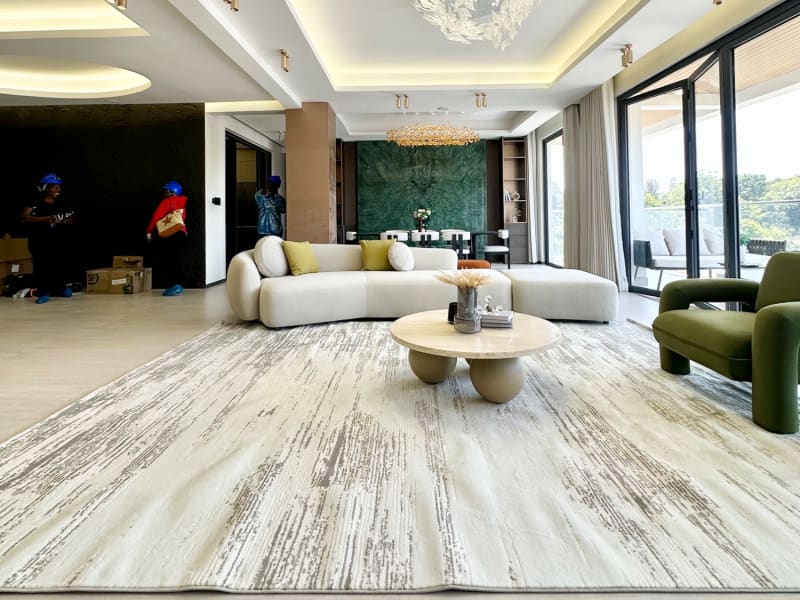
Westlands· Westlands,Nairobi.
an exclusive, luxury residential development located on Brookside Gardens Drive in Westlands, Nairobi.
Where luxury meets comfort.
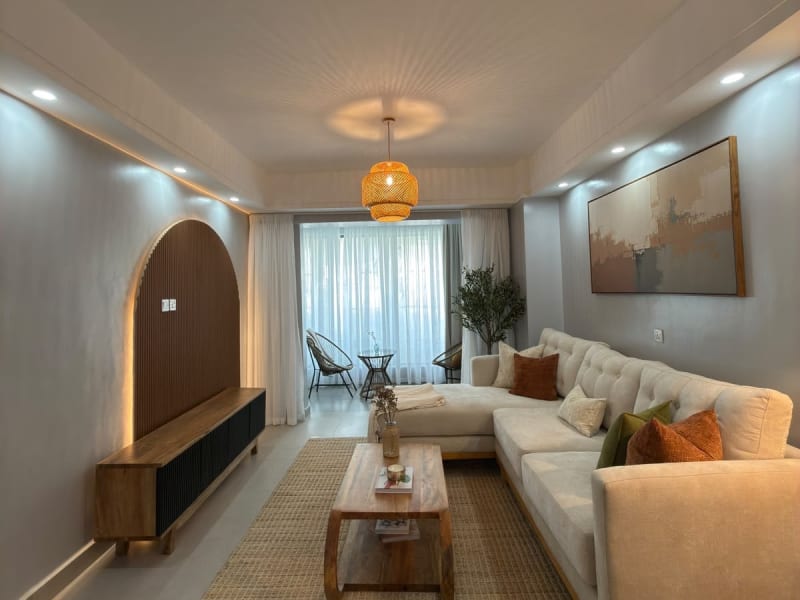
Kilimani· Menelik Road, Off Ngong Road, Kilimani, Nairobi
Modern 2 Bedroom Apartment for Sale in Kilimani
Modern urban living with strong investment potential in Kilimani

Westlands· Brookside Grove, Westlands, Nairobi
Luxury Apartments for Sale in Brookside, Westlands
Where Luxury Meets Strategic Brilliance

Kilimani· Elgeyo Road, Kilimani, Nairobi
Ultra-Luxury Apartments for Sale in Kilimani, Nairobi
Where Bespoke Luxury Meets Smart Urban Living
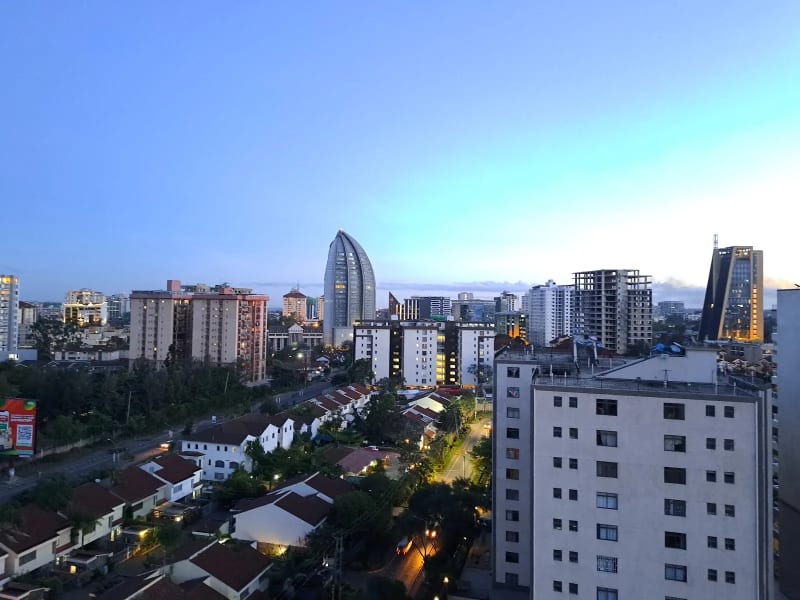
Featured Neighbourhood
Kilimani
Nairobi's vibrant apartment district with exceptional rental demand and investment potential.

Featured Neighbourhood
Runda
Prestigious Embassy Living in a Secure Garden Suburb

Featured Neighbourhood
Kitisuru
Exclusive Green Living with Luxury Homes & Privacy