How Rising Fuel Prices Are Reshaping Real Estate in Kenya
Fuel is one of the most overlooked forces in real estate — yet it shapes everything from construction costs to service charges and even where people choose to live. As energy prices rise in Kenya, the true cost of property is no longer just land and materials, but the invisible influence of diesel across the entire value chain.
Introduction
On the 15th of April 2026, EPRA announced one of the steepest fuel price increases Kenya has seen in years. Diesel in Nairobi jumped by KSh 40.30 to KSh 206.84 per litre, while petrol rose to KSh 206.97.
Most people felt it at the pump.
A smaller group — developers, investors, and informed buyers — understood something deeper:
They were about to feel it in real estate.
Fuel is rarely included in a property budget.
You plan for:
- Land
- Construction costs
- Legal fees
- Stamp duty
- Mortgage rates
But you don’t plan for fuel.
And yet, fuel is embedded in all of them.
Like salt in food — invisible, but essential.
The Chain That Starts at the Pump
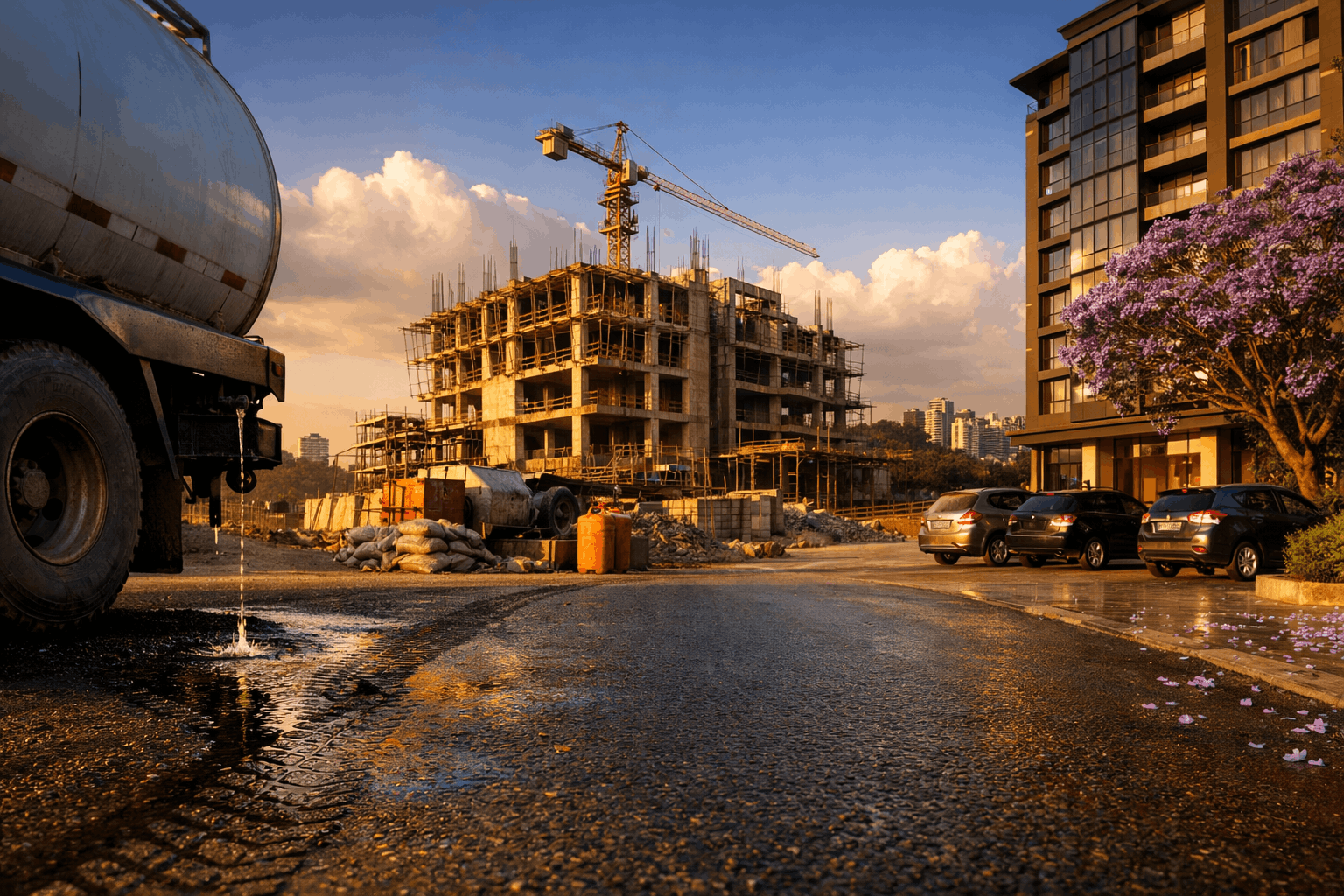
Before anything else happens, fuel does something simple:
It gets poured into a truck.
Fuel makes up roughly 55% of transport costs in Kenya. When prices rise, transport costs follow — immediately.
And everything in real estate moves by road:
- Cement
- Steel
- Sand
- Stone
- Timber
So before construction even begins, costs have already gone up.
Construction costs in Kenya have been rising steadily:
- ~17% increase in 2024
- ~12% increase in 2025
Today, building in Nairobi ranges between:
KSh 40,000 – 75,000 per square metre
Fuel is a major driver of this increase.
Key Insight
Fuel is not just an expense.
It is a cost multiplier across the entire property value chain.
What It Does to Your Building’s Running Costs
Most buyers think fuel only affects construction.
That’s only half the story.
Every apartment building in Nairobi relies on diesel:
- Backup generators
- Water pumps
- Maintenance logistics
When power goes out — and it does — diesel keeps everything running:
- Lifts
- Lighting
- Security systems
- Boreholes
As fuel prices rise:
👉 Service charges rise
This is why a building’s service charge may increase over time — not because of mismanagement, but because:
Fuel costs have gone up.
The Hidden Reality
You may not buy fuel directly…
But you pay for it through:
- Rent
- Service charge
- Utilities
How Fuel Rewrites Location Value
This is where things get interesting.
Fuel doesn’t just increase costs.
It changes where people choose to live.
When fuel is expensive:
- Long commutes become costly
- Distance becomes a financial decision
- Location becomes a cost-saving strategy
What This Means
A home closer to work is no longer just convenient.
👉 It is economically efficient.
At the same time, infrastructure is reshaping this equation.
Projects like:
- Nairobi Expressway
- Bypass roads
- Rail connectivity
are reducing travel time — and fuel usage.
Result
Some satellite towns are rising in value because:
- They are now accessible
- Commutes are shorter
- Fuel usage is more efficient
But not all satellite areas benefit equally.
👉 The winners are:
- Well-connected
- Infrastructure-supported
👉 The losers are:
- Remote
- Poorly connected
The Real Estate Chain Reaction
Fuel prices trigger a ripple effect:
- Fuel Prices Rise
- Transport Costs Increase
- Construction Costs Increase
- Property Prices Increase
- Service Charges Increase
- Commuting Costs Increase
- Location Preferences Shift
Final Outcome
👉 Property value is redefined
Not just by location…
But by efficiency, access, and cost of living
What This Means for Buyers
If you are buying today, fuel should influence your decision.
Ask yourself:
- How far is the commute?
- How dependent is this property on transport?
- What are the long-term service charges?
- Is the area well connected?
Smart Buying Principle
Don’t just buy based on price.
👉 Buy based on total cost of living
What This Means for Investors
Rising fuel costs create two major effects:
1. Higher Construction Costs
New developments become more expensive → supply slows down
2. Stronger Existing Property Value
Existing units become more valuable due to limited new supply
Investor Insight
Fuel inflation can actually protect rental yields.
Less supply = stronger demand.
The Long-Term View
Fuel prices in Kenya are structurally increasing due to:
- Taxes
- Levies
- Global oil pricing
- Currency pressure
This means:
👉 Fuel-driven cost pressure is not temporary
👉 It is long-term
At the same time:
- Urban population is growing
- Housing demand is rising
Conclusion
The property market does not stop.
It adapts.
The most valuable properties going forward will be:
- Close to work
- Well connected
- Efficient to run
- Professionally managed
Final Insight
Fuel is not just a transport cost.
👉 It is a filter in real estate.
It separates:
- Efficient vs inefficient locations
- Smart investments vs risky ones
Bottom Line
You may not see fuel in your property budget.
But it is there.
In:
- Construction costs
- Service charges
- Commute expenses
- Property pricing
The price at the pump is shaping the price of property.

Related Residences, Developments & Neighbourhoods

Westlands· Westlands,Nairobi.
an exclusive, luxury residential development located on Brookside Gardens Drive in Westlands, Nairobi.
Where luxury meets comfort.

Kilimani· Menelik Road, Off Ngong Road, Kilimani, Nairobi
Modern 2 Bedroom Apartment for Sale in Kilimani
Modern urban living with strong investment potential in Kilimani

Westlands· Brookside Grove, Westlands, Nairobi
Luxury Apartments for Sale in Brookside, Westlands
Where Luxury Meets Strategic Brilliance

Kilimani· Elgeyo Road, Kilimani, Nairobi
Ultra-Luxury Apartments for Sale in Kilimani, Nairobi
Where Bespoke Luxury Meets Smart Urban Living
Featured Neighbourhood
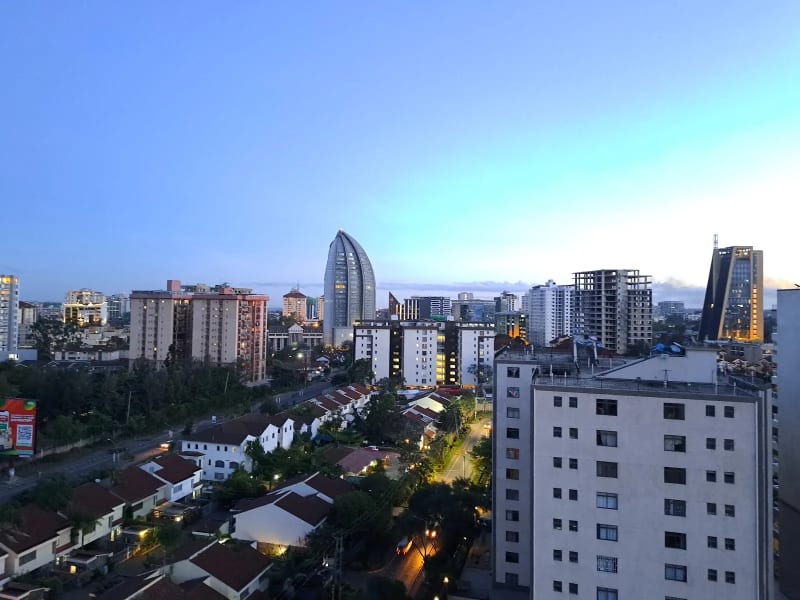
Kilimani
Nairobi's vibrant apartment district with exceptional rental demand and investment potential.

Featured Neighbourhood
Runda
Prestigious Embassy Living in a Secure Garden Suburb

Featured Neighbourhood
Kitisuru
Exclusive Green Living with Luxury Homes & Privacy